








Designing a high-performance fitness environment is no longer just about equipment layout and branding. Flooring plays a critical role in safety, durability, acoustics, maintenance, and user experience—and selecting the right system requires a clear understanding of how each space will be used.
At Advance Flooring, we work closely with designers and operators to ensure flooring is not only fit for purpose, but also enhances the visual and functional performance of the gym environment. Below is a practical framework for matching flooring systems to the demands of each zone.
Start with Zoning, Not Products
Before selecting a flooring type, define the functional zones within the facility. Most gyms fall into three broad categories:
- Low-impact / high-traffic zones
(cardio, stretching, group fitness) - Moderate-use functional zones
(general training, circuits, studio spaces) - High-impact / heavy-load zones
(free weights, powerlifting, CrossFit)
Each of these environment’s places very different demands on the floor—particularly in terms of impact resistance, stability, and aesthetic finish.
1. Cardio, Stretching & Studio Spaces
Focus: aesthetics, comfort, and cleanability
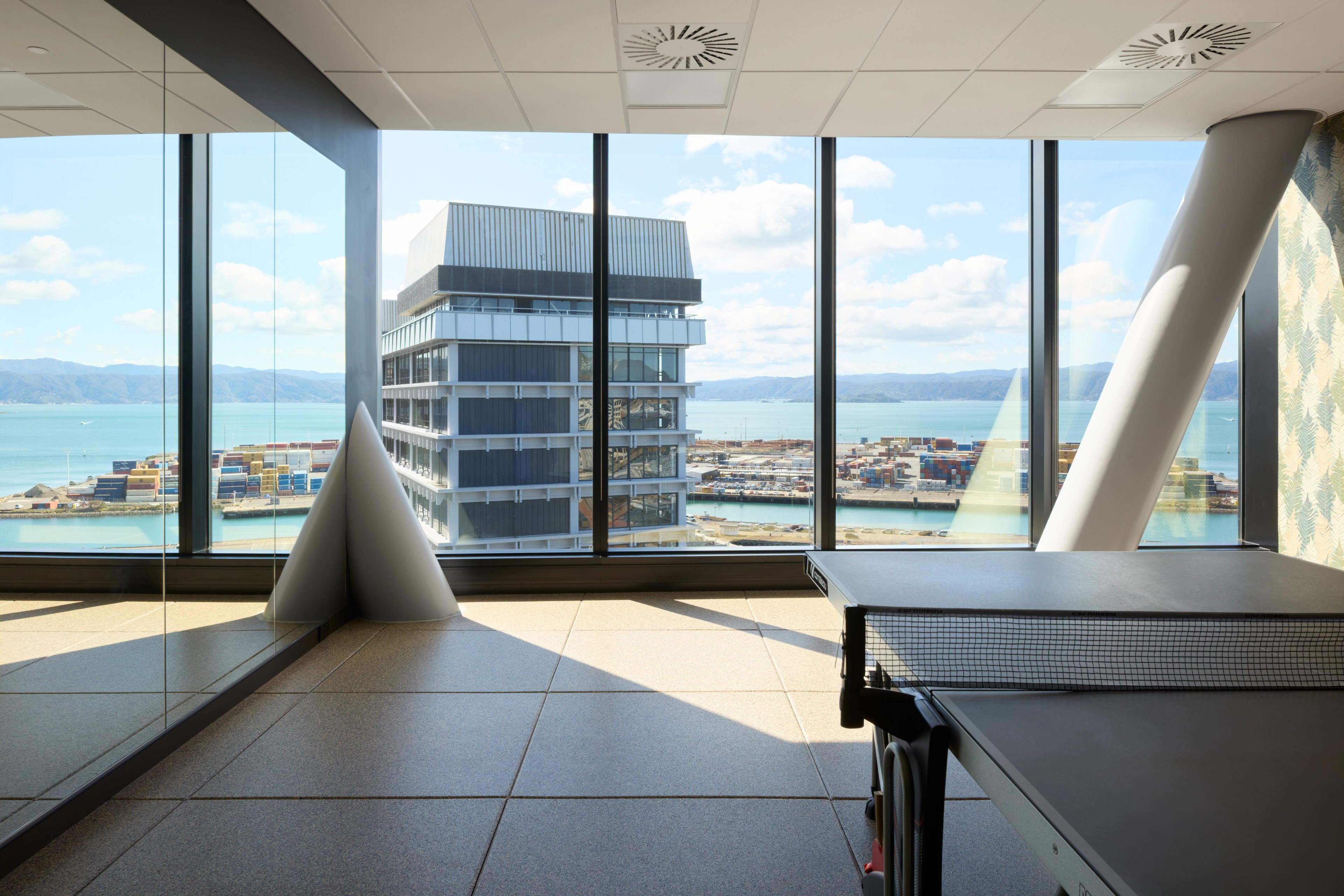
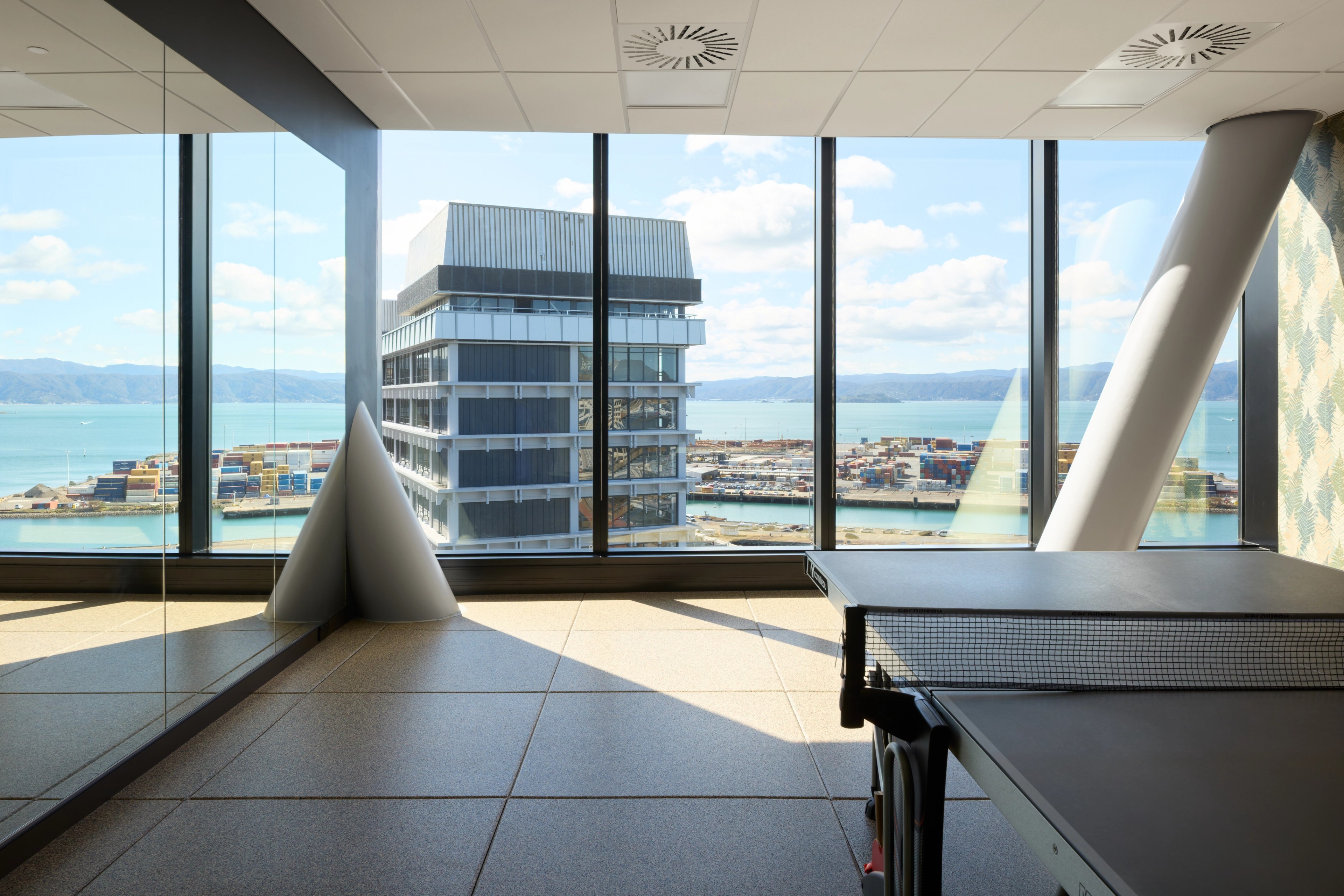
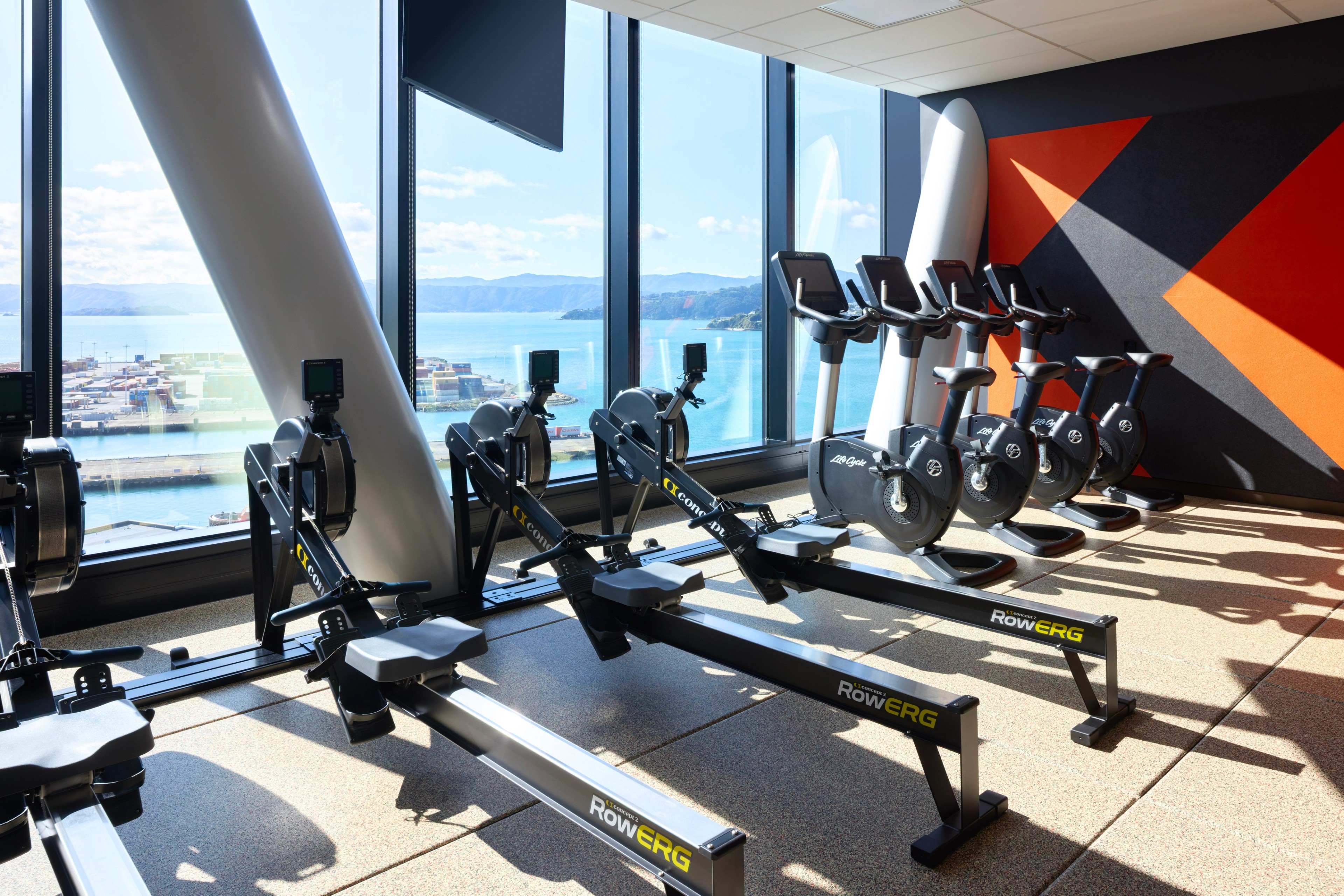
For front-of-house fitness areas—where visual presentation and member experience are key—flooring must strike a balance between performance and refinement.
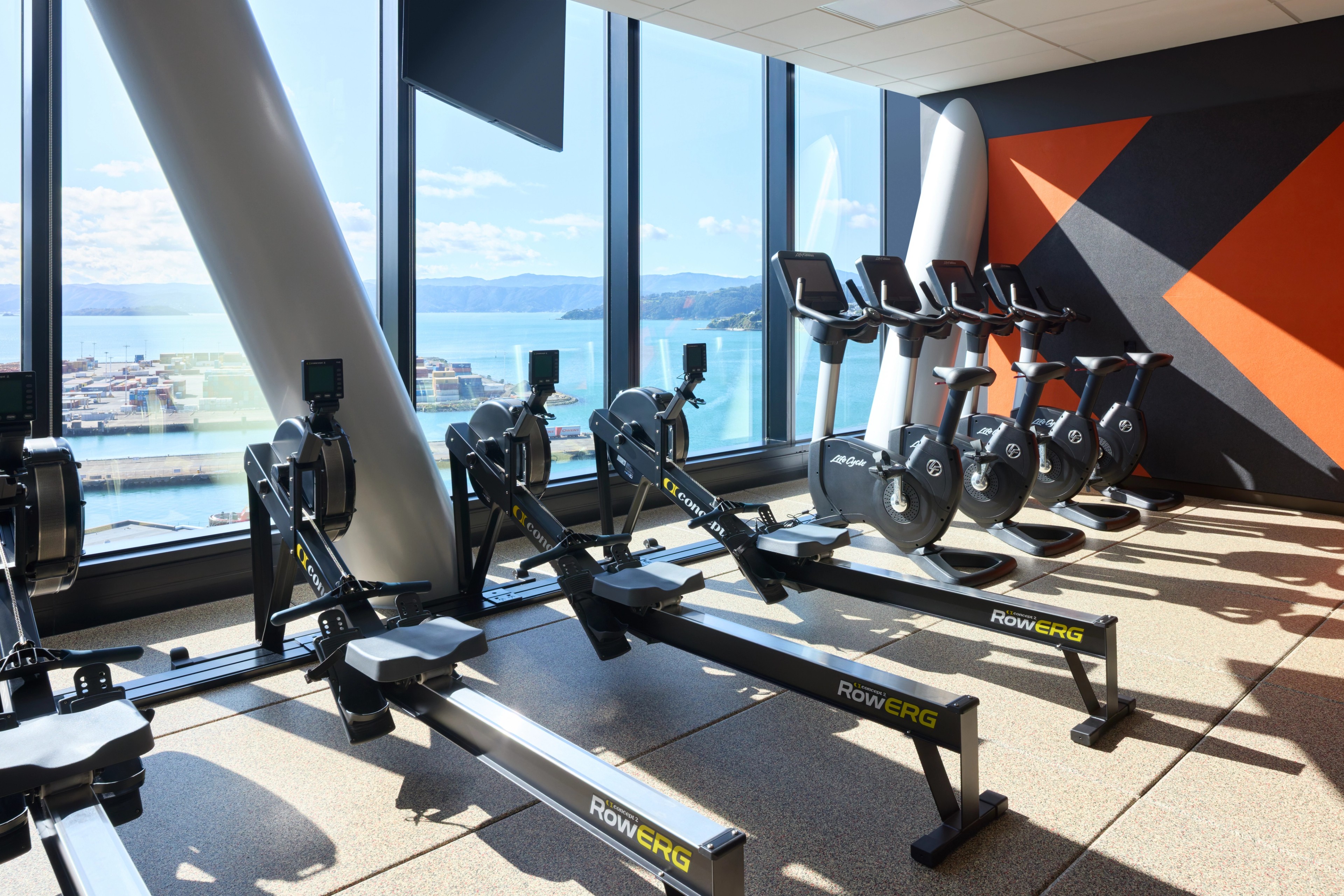
Recommended approach: Precision modular tiles or roll product (e.g. Neoflex REPtile)
- Thickness typically ranges from 6–14mm for low to moderate impact
- Provides a near-seamless, high-end aesthetic
- EPDM wear surface enhances durability while maintaining a refined look
- Factory-applied finishes improve cleanability and ongoing maintenance efficiency
Why it works in this zone:
- Supports lighter equipment and foot traffic without excessive softness
- Delivers a polished, cohesive visual outcome suited to premium gyms and studios
- Minimises visible joins—important in yoga and group fitness environments
Design insight:
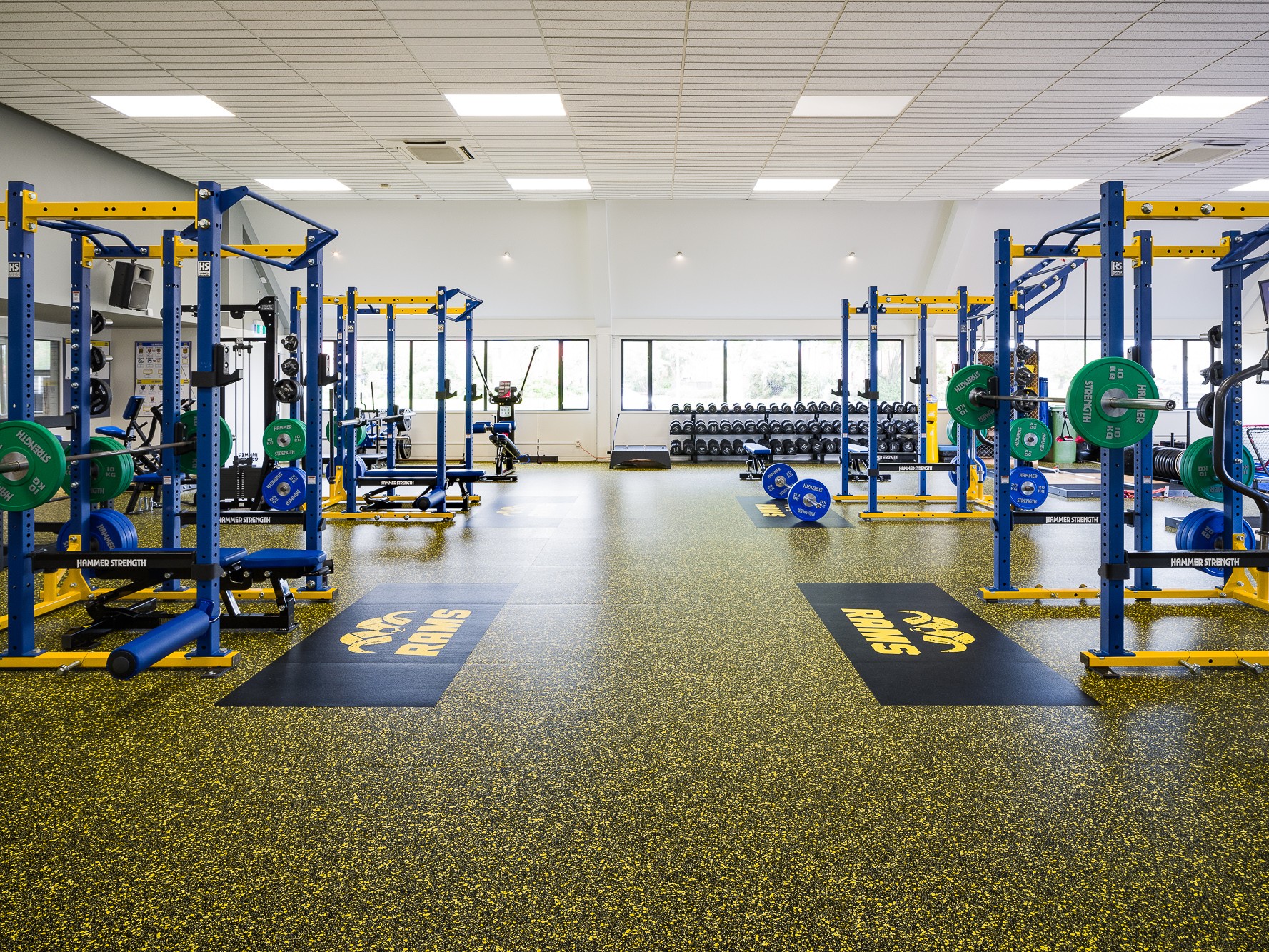
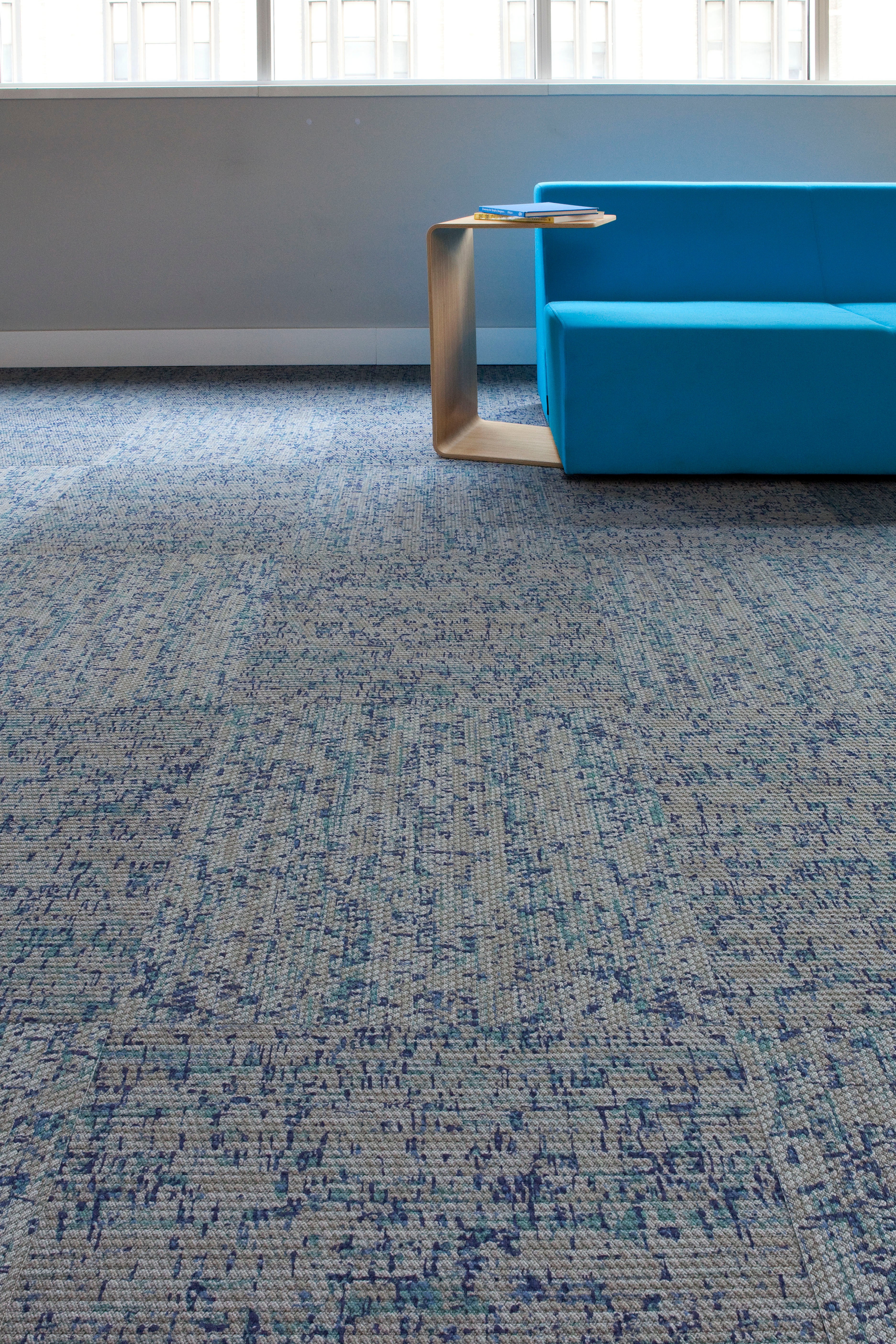
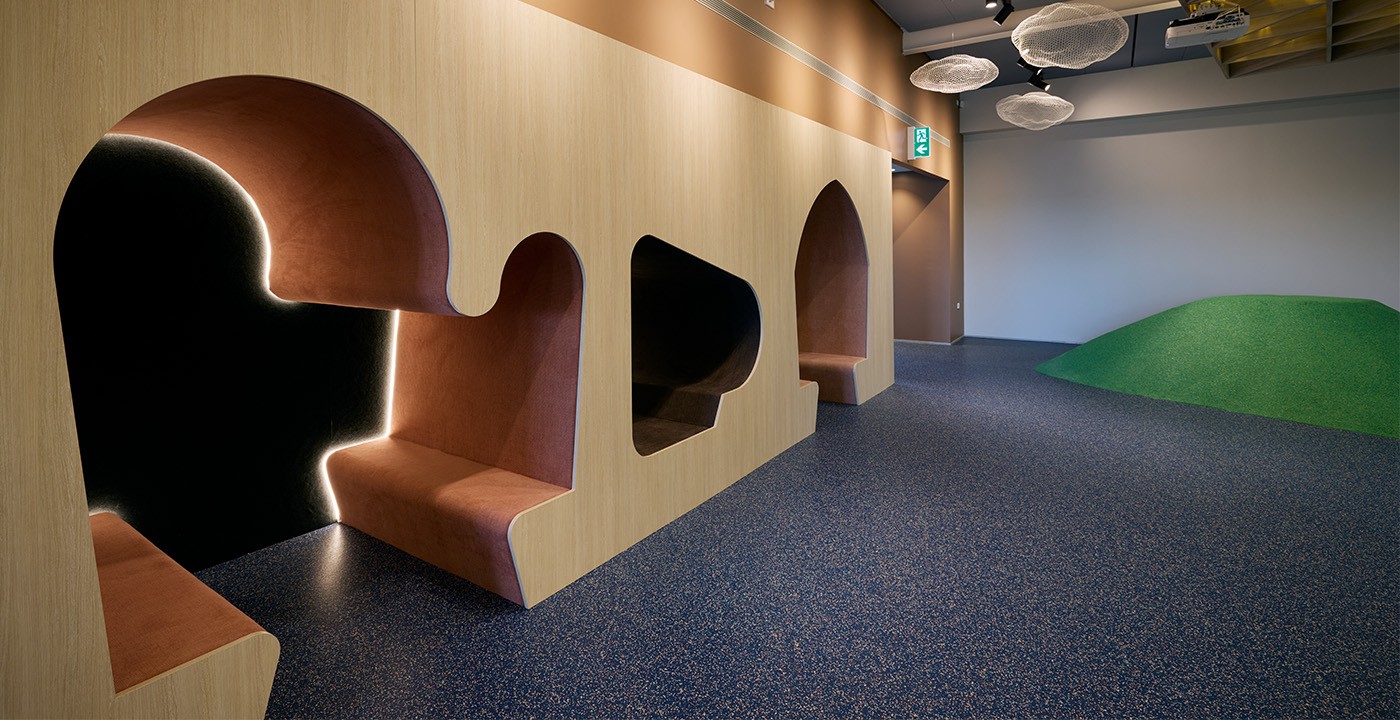
Use lighter speckle blends or neutral tones to visually expand space and complement brand identity. Seamless appearance can elevate boutique studio environments significantly.
2. Functional Training & General Gym Floors
Focus: versatility, durability, and value performance
These are the most heavily used parts of a gym—requiring flooring that supports a wide mix of activities, from bodyweight training to light free weights.
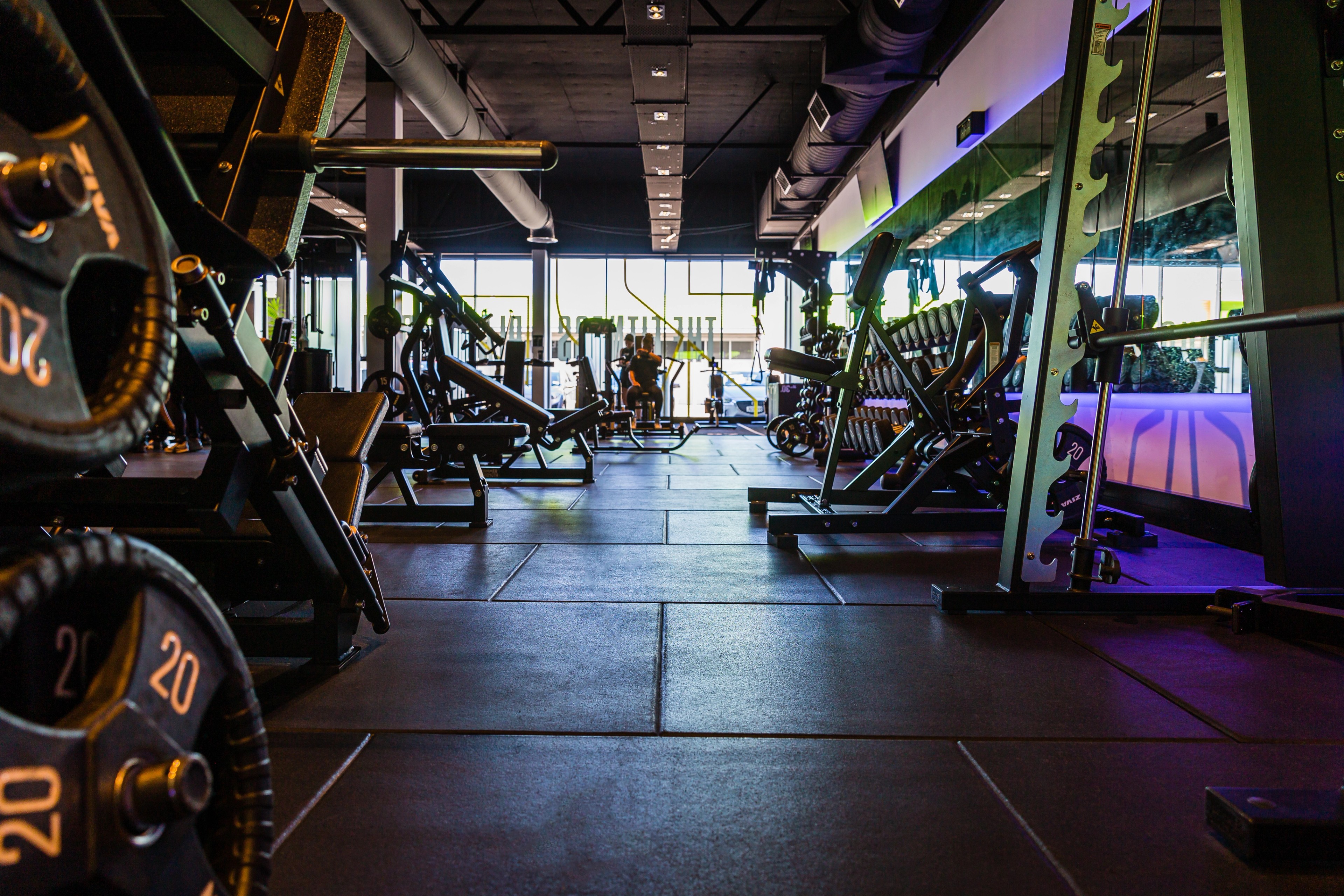
Recommended approach: High-density gym tiles (e.g. Premium Gym Tiles)
- Standard 15mm thickness delivers strong all-round shock absorption
- High-density EPDM surface ensures durability under constant use
- Cost-effective without compromising performance
Why it works in this zone:
- Provides enough cushioning for functional training without excessive compression
- Maintains stability for balance and dynamic movement
- Handles high traffic typical of 24/7 facilities
Design insight:
This is often the largest flooring area—so cost efficiency matters. A well-specified mid-range system ensures longevity without overspecifying for impact that won’t occur.
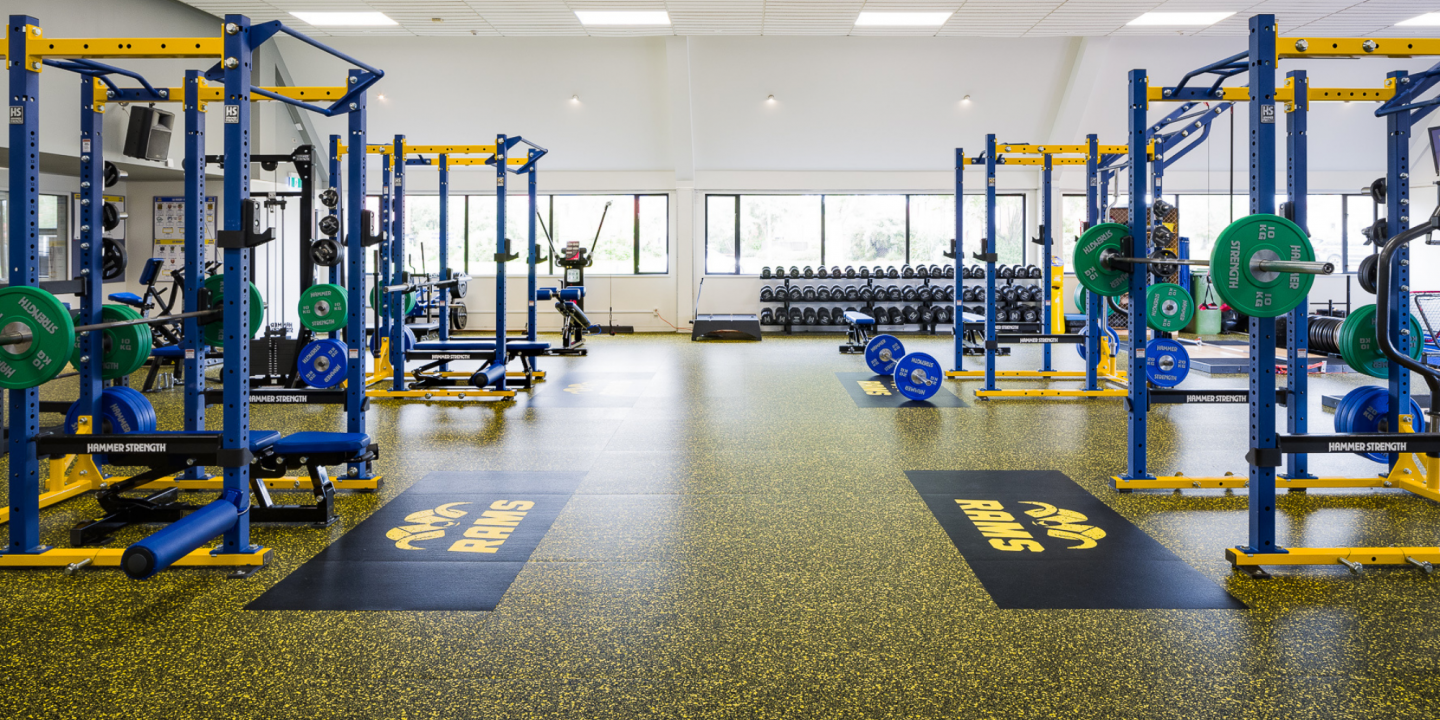
3. Free Weights, CrossFit & High-Impact Zones
Focus: impact protection, safety, and structural performance
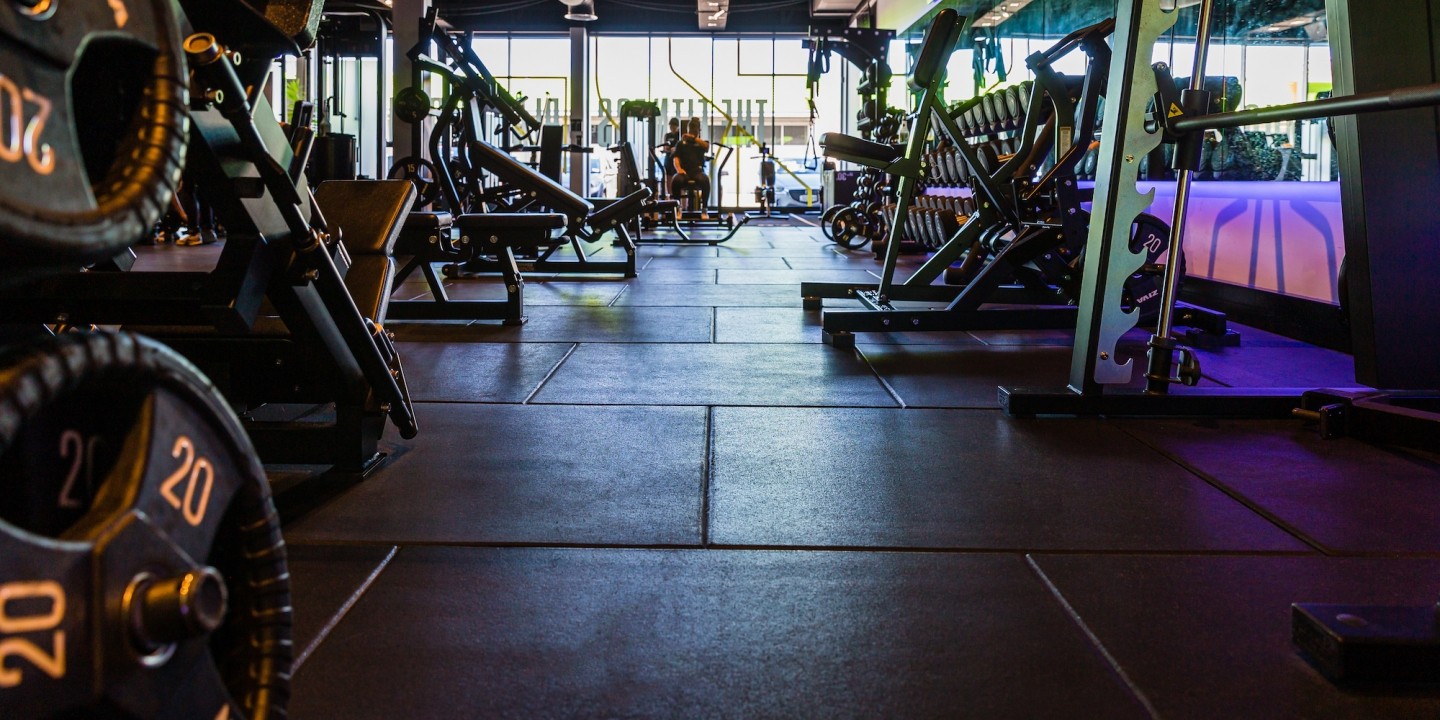
Heavy lifting areas demand the most from a flooring system—not just for user safety, but also to protect the subfloor and building structure.
Recommended approach: Heavy-duty impact tiles (e.g. High Impact Tiles)
- Thickness from 15mm up to 45mm depending on load requirements
- Engineered for high shock absorption and energy dispersion
- Suitable for dropped weights and explosive training
Why it works in this zone:
- Reduces force transfer to subfloor—critical in multi-level buildings
- Protects equipment and extends asset lifespan
- Improves acoustic performance by dampening impact noise
Design insight:
Don’t underspecify thickness. Flooring here is a structural decision as much as a design one. Thicker systems also help mitigate vibration, which is increasingly important in urban gyms.
Key Specification Considerations
1. Thickness = Performance
Thickness is the primary driver of shock absorption:
- 6–10mm: light use, cardio
- 12–20mm: functional training
- 25mm+: heavy impact and lifting
2. Installation Method Matters
- Seamless or precision-fit systems require professionally levelled subfloors for optimal finish
- Heavier tiles can be more tolerant but still benefit from preparation
3. Maintenance & Lifecycle
- Factory finishes reduce cleaning effort and maintain appearance longer
- EPDM wear layers provide long-term durability across all systems
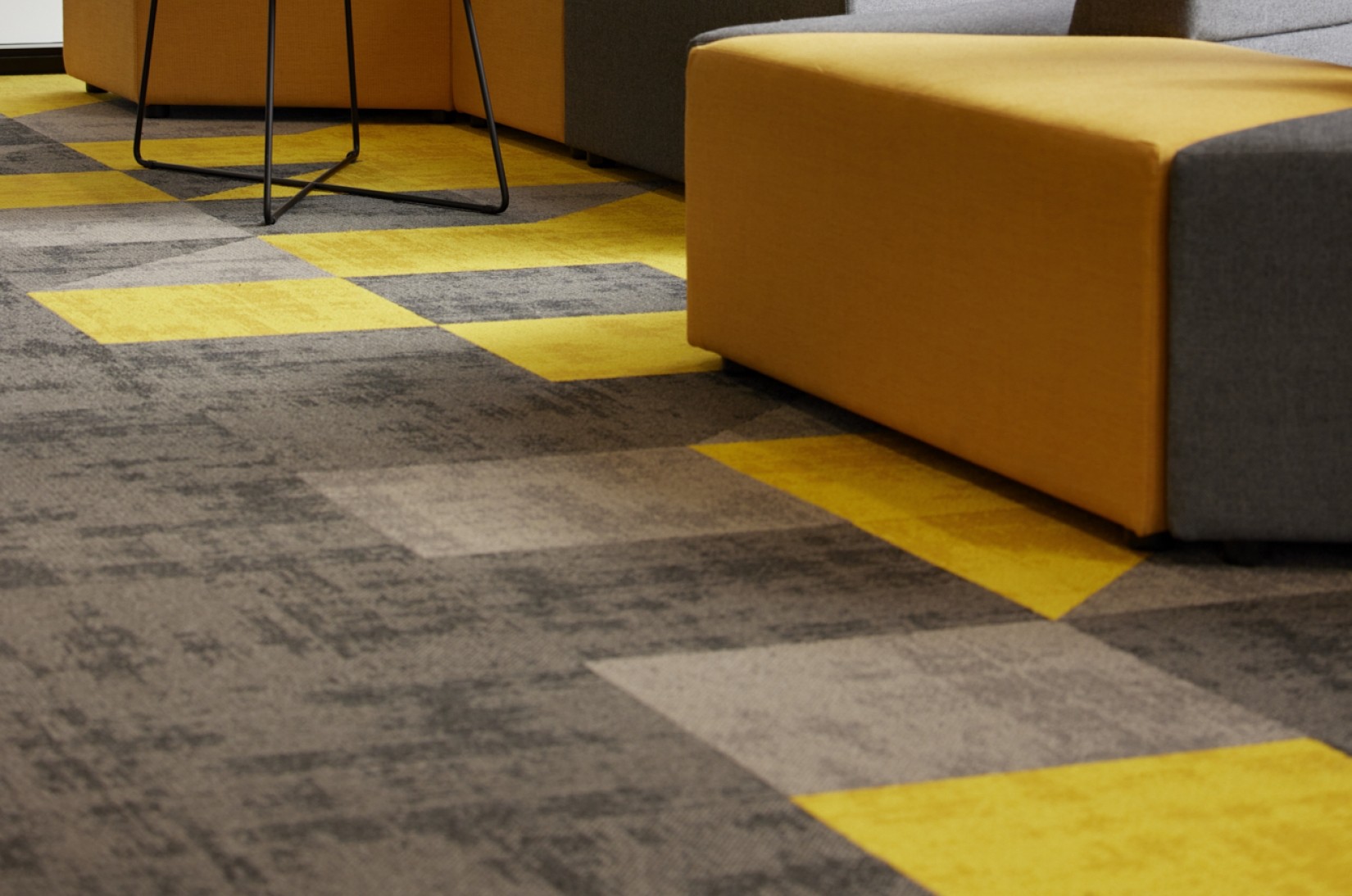
4. Aesthetic Integration
- Colour and speckle blends don’t affect performance, but significantly influence design outcomes and pricing
- Flooring should support brand identity while hiding wear over time
A Layered Approach to Flooring Design
The most successful gym environments use a zoned flooring strategy, rather than a single product throughout:
- Seamless, refined finishes in customer-facing spaces
- Robust, cost-effective systems in general fitness zones
- Heavy-duty solutions in high-impact areas
This layered approach ensures:
- Better long-term performance
- More efficient capital investment
- A clearer, more intentional user experience
Final Thoughts
Selecting the right gym flooring is about more than product choice—it’s about aligning performance, design, and operational needs across every space.
By approaching flooring selection through zoning, thickness, and intended use, architects and gym owners can create environments that not only look exceptional but are built to perform over time.