








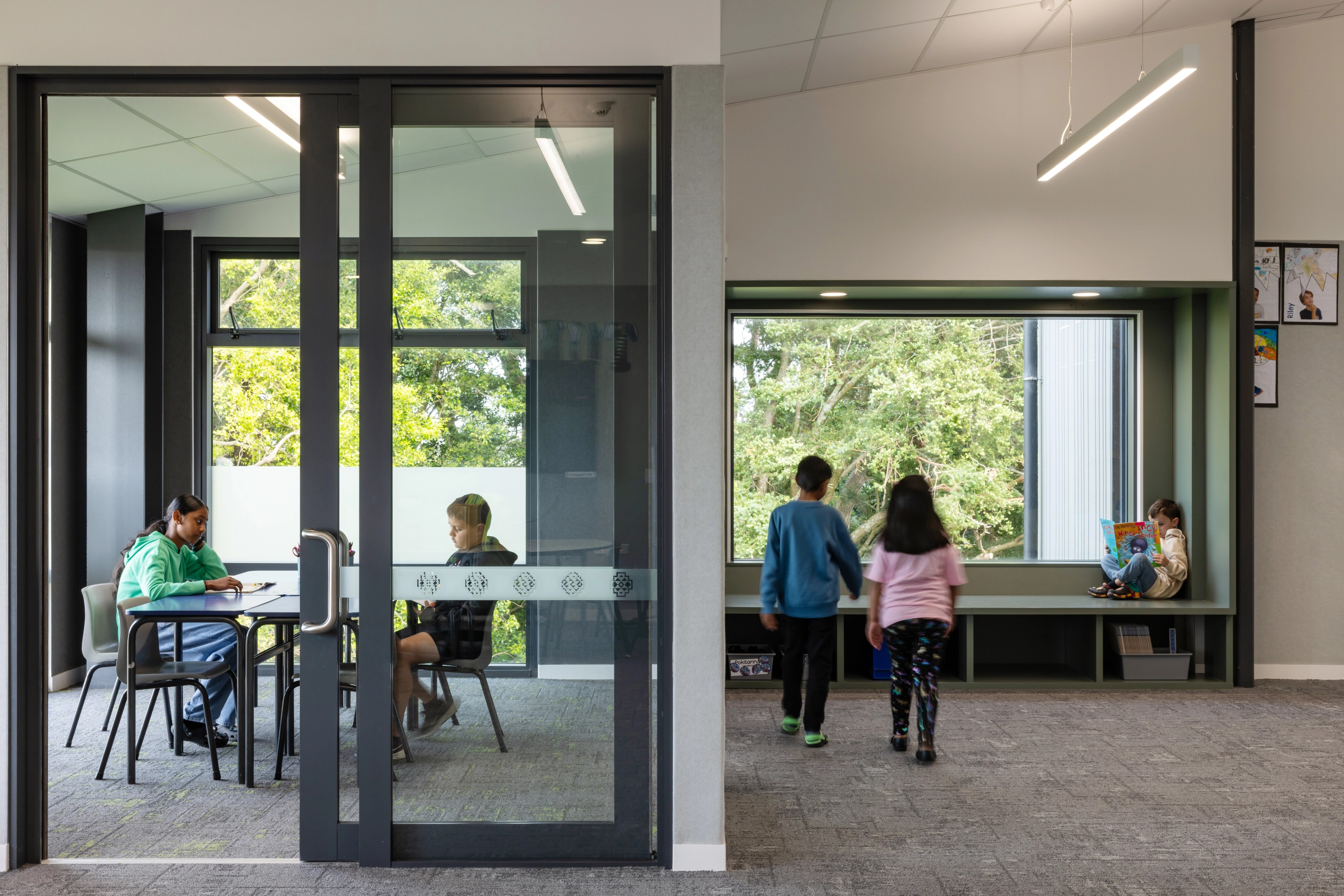
A new benchmark for school design.
The expectations for school environments in Aotearoa New Zealand continue to evolve.
The 2026 update to Designing Schools in Aotearoa New Zealand (DSNZ) reinforces a clear direction: school buildings must be durable, adaptable, low-maintenance, and designed for long-term community use.
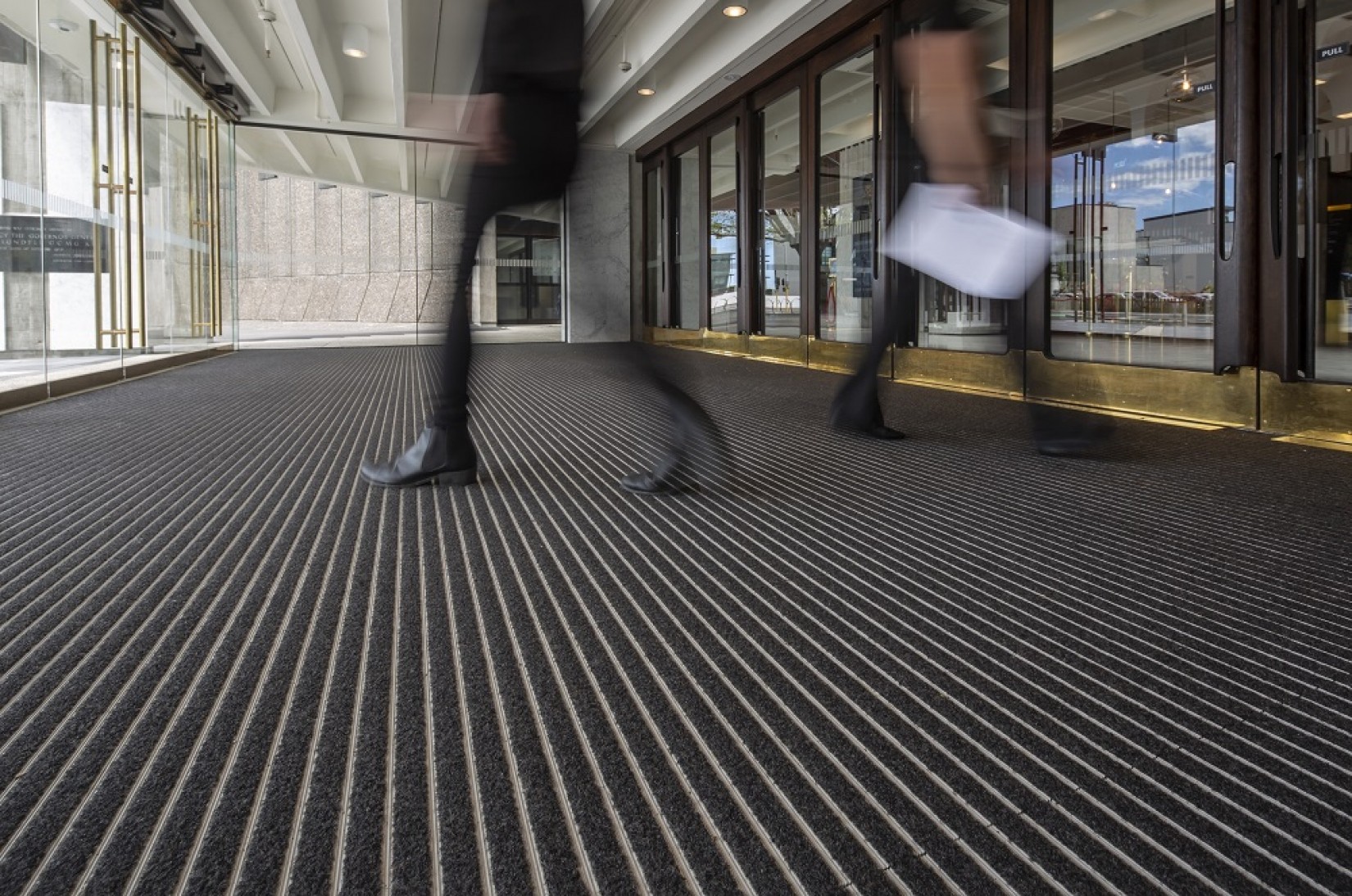
For architects and school stakeholders, this places renewed focus on one of the most hard-working elements of any project—flooring.
A shift in thinking since 2022
The updated guidance sharpens expectations around:
- Whole-of-life performance over upfront cost
- Ongoing product availability
- The ability to repair rather than replace
- Supporting multi-use, flexible environments
- Reducing operational burden through low-maintenance materials
This reflects a broader shift: schools are no longer static environments—they are adaptive, community-centred assets.
Flooring requirements under DSNZ (Pages 59–60)
The Ministry’s requirements establish a clear framework:
- Flooring must support durability, sustainability, safety, and function
- Products should be proven and available over time
- Isolated damage must be repairable
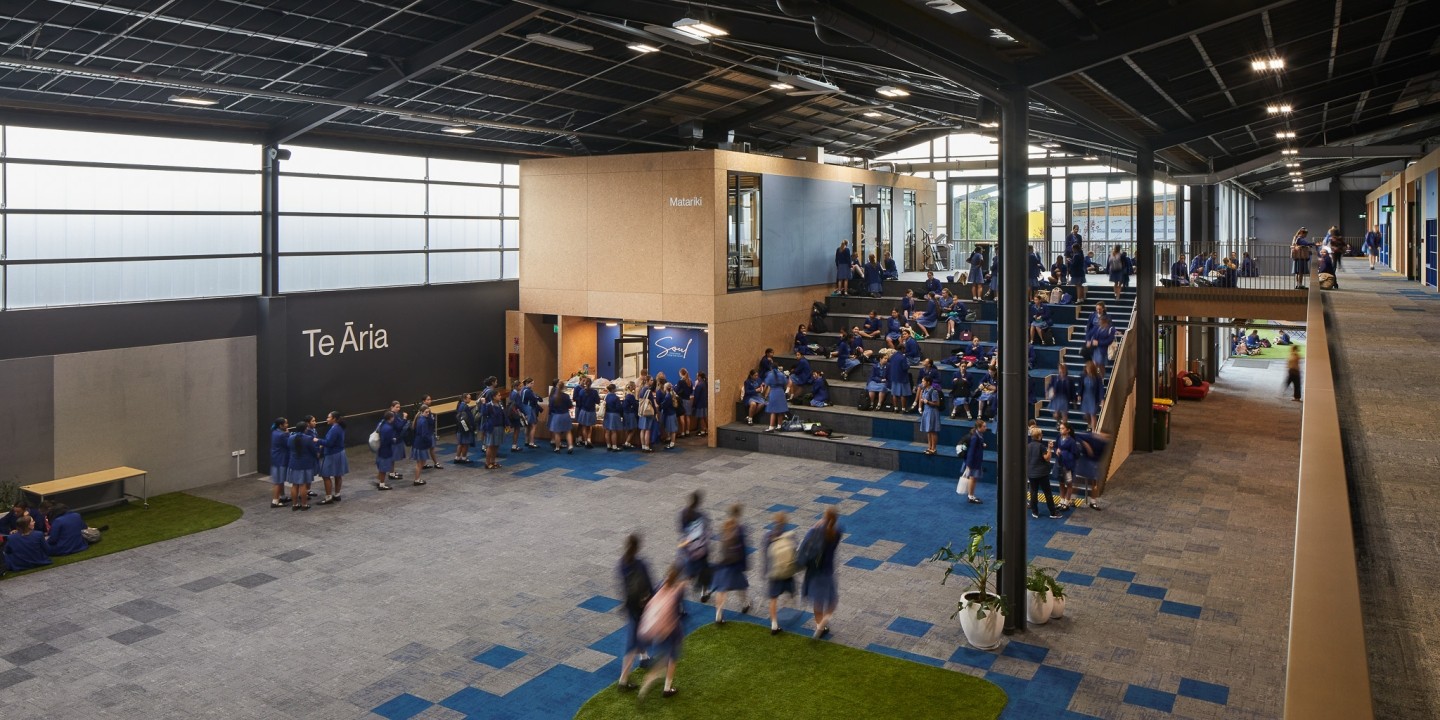
- Multipurpose areas must tolerate furniture, point loads, and high traffic
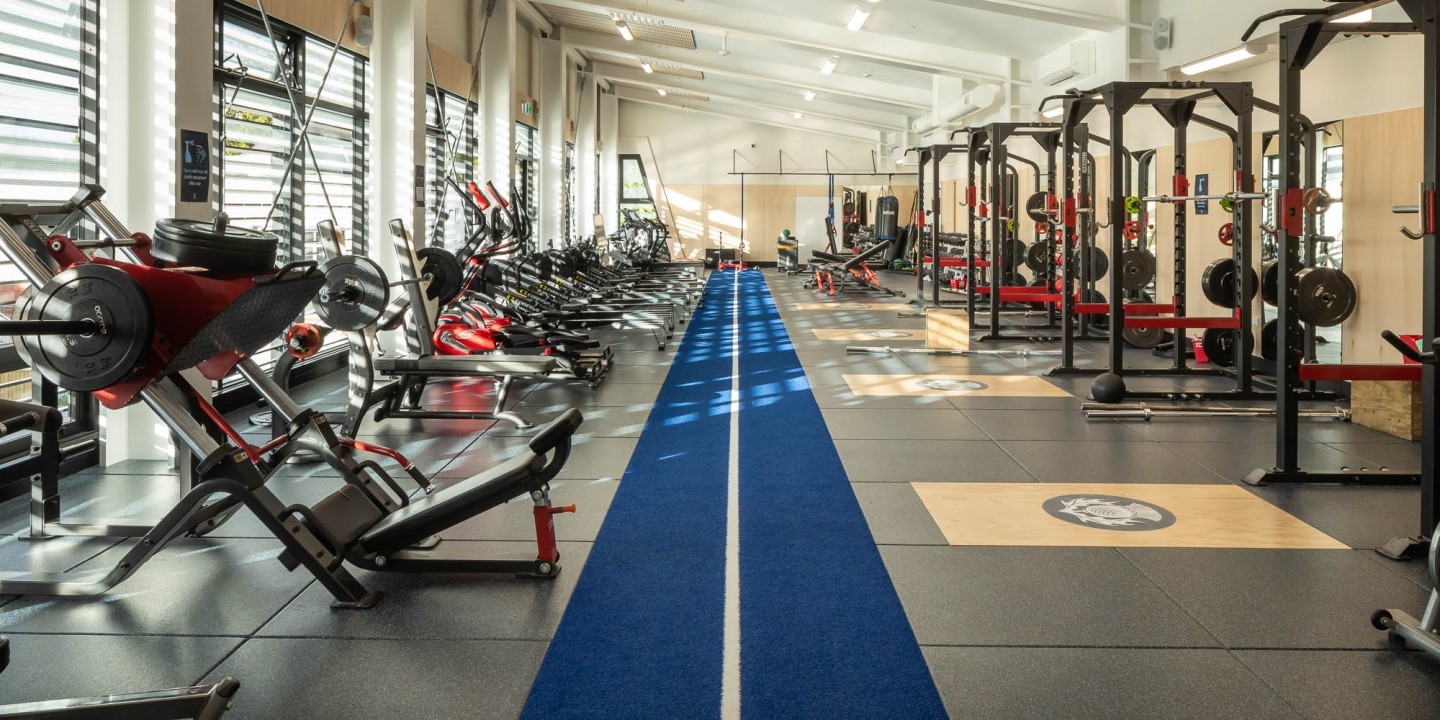
- Gym floors must provide shock absorption and minimal maintenance
These principles ensure flooring supports long-term performance and operational resilience.
Selecting the right flooring mix
No single material solves every requirement. Successful school environments use a layered approach to specification:
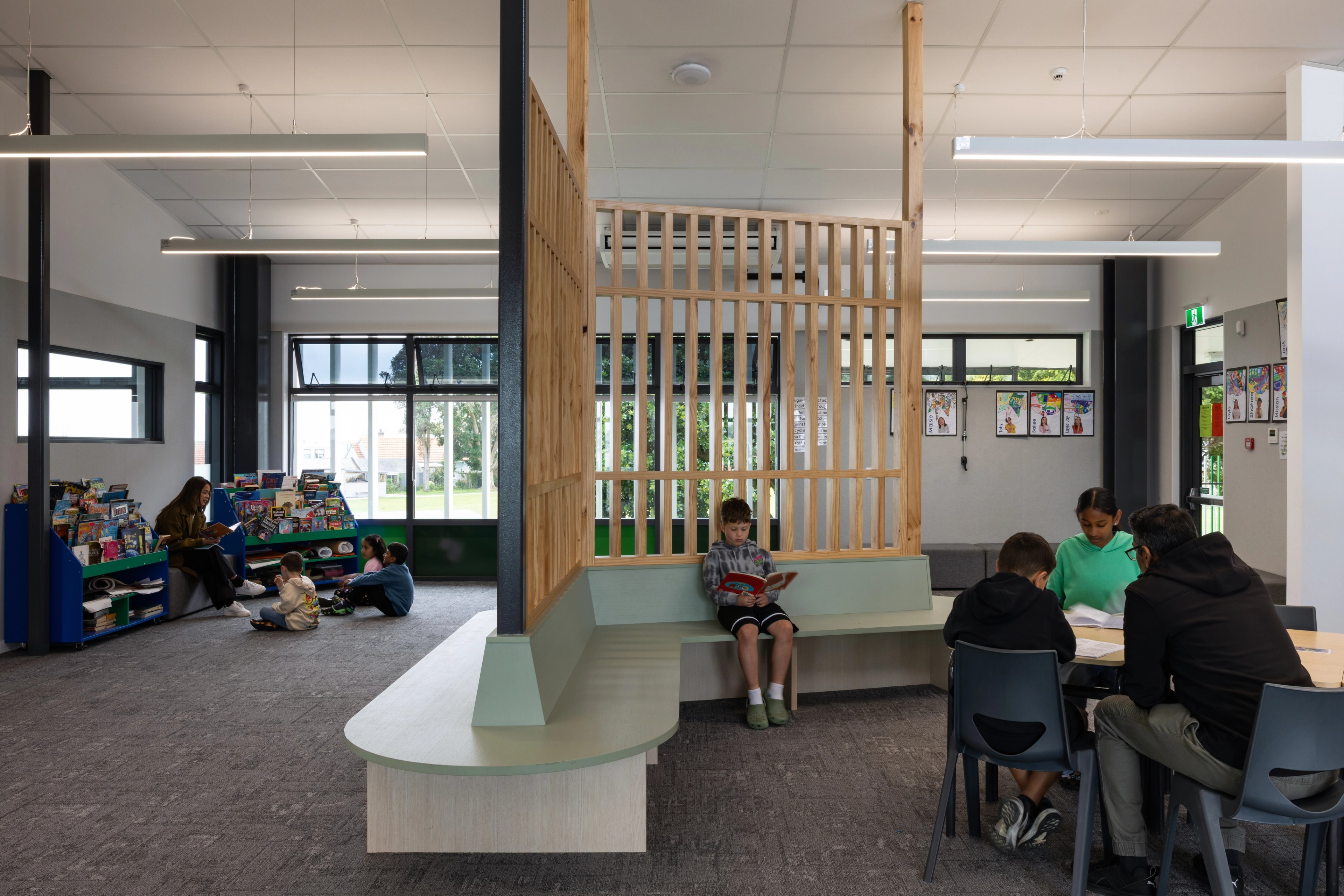
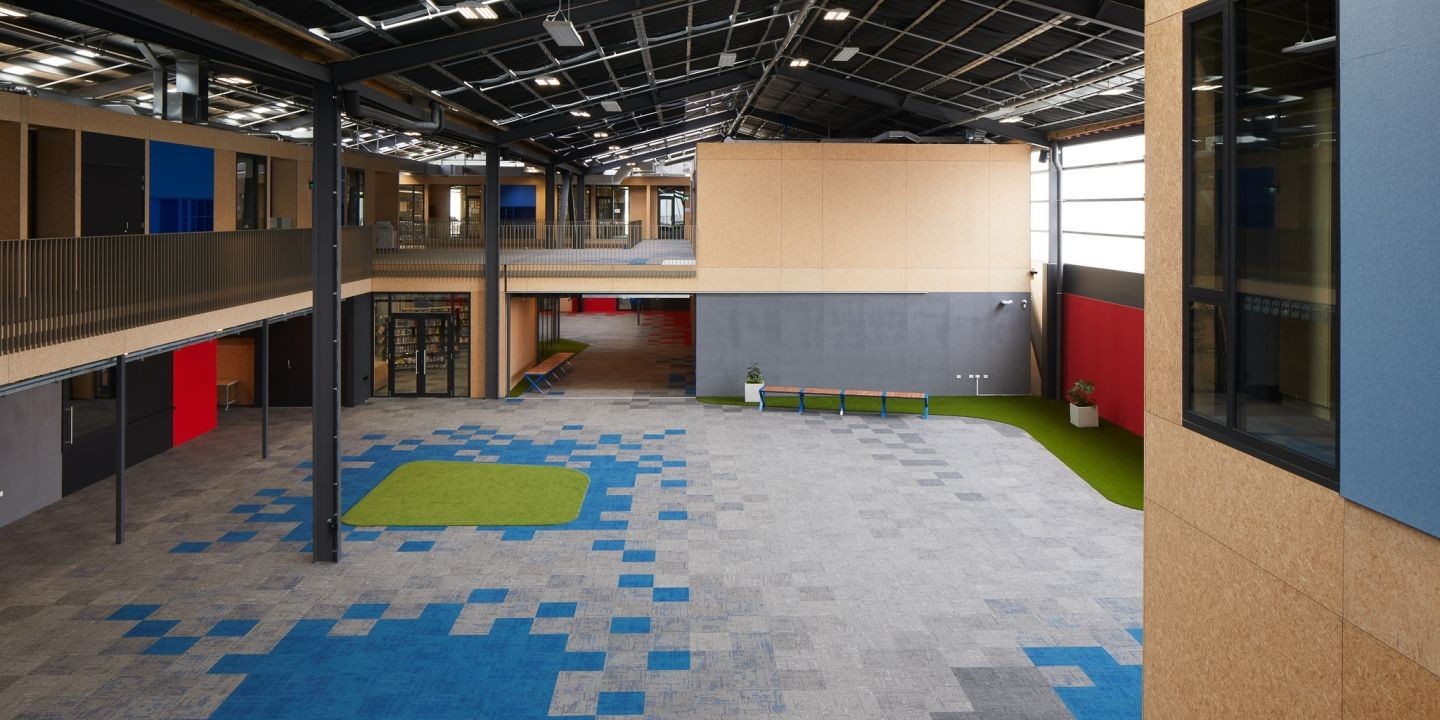
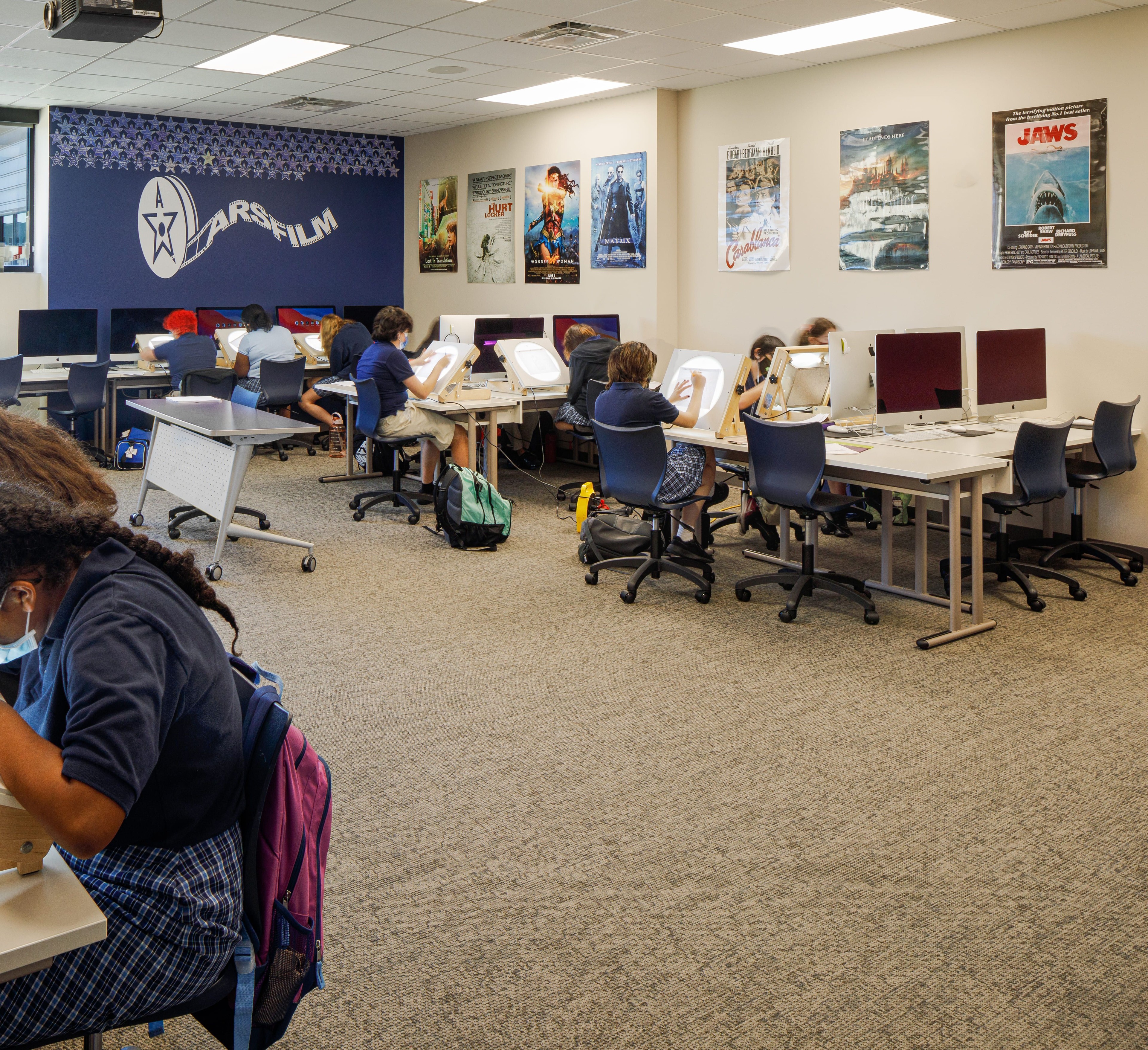
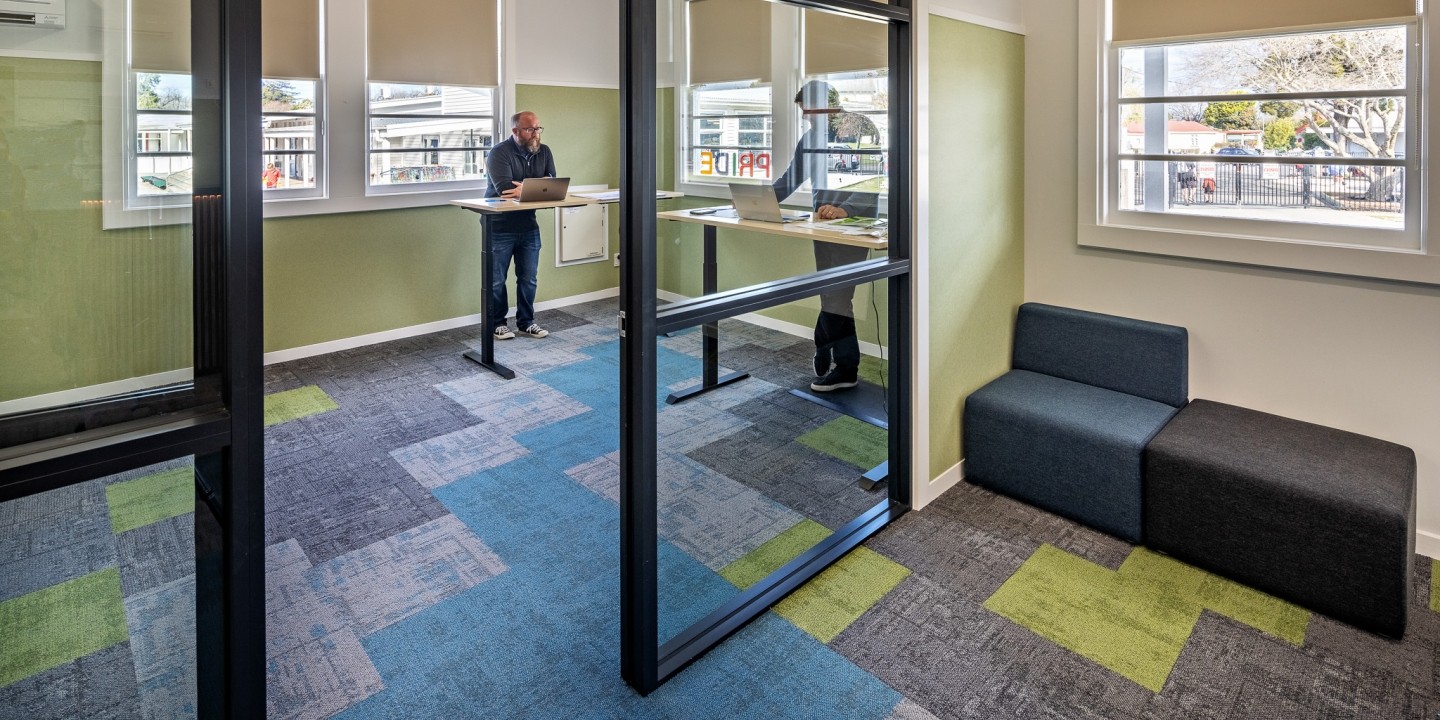
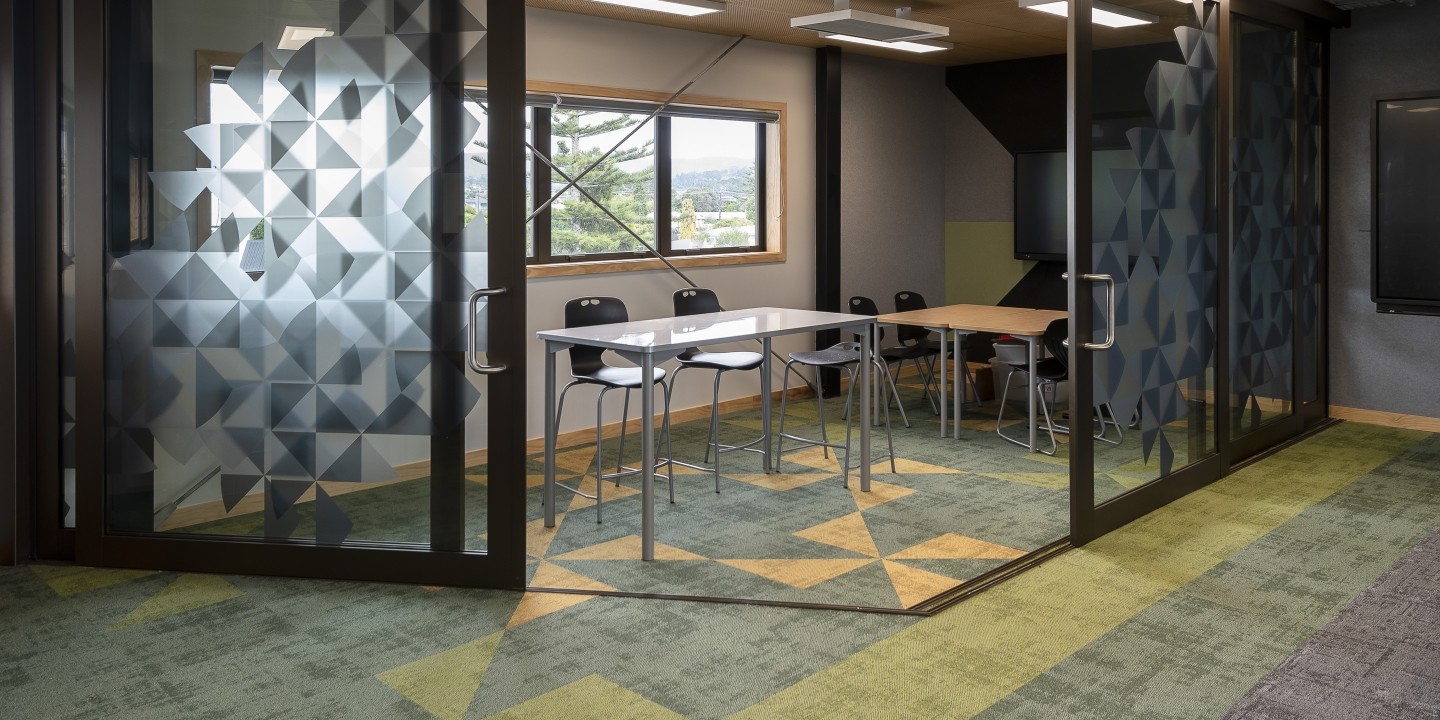
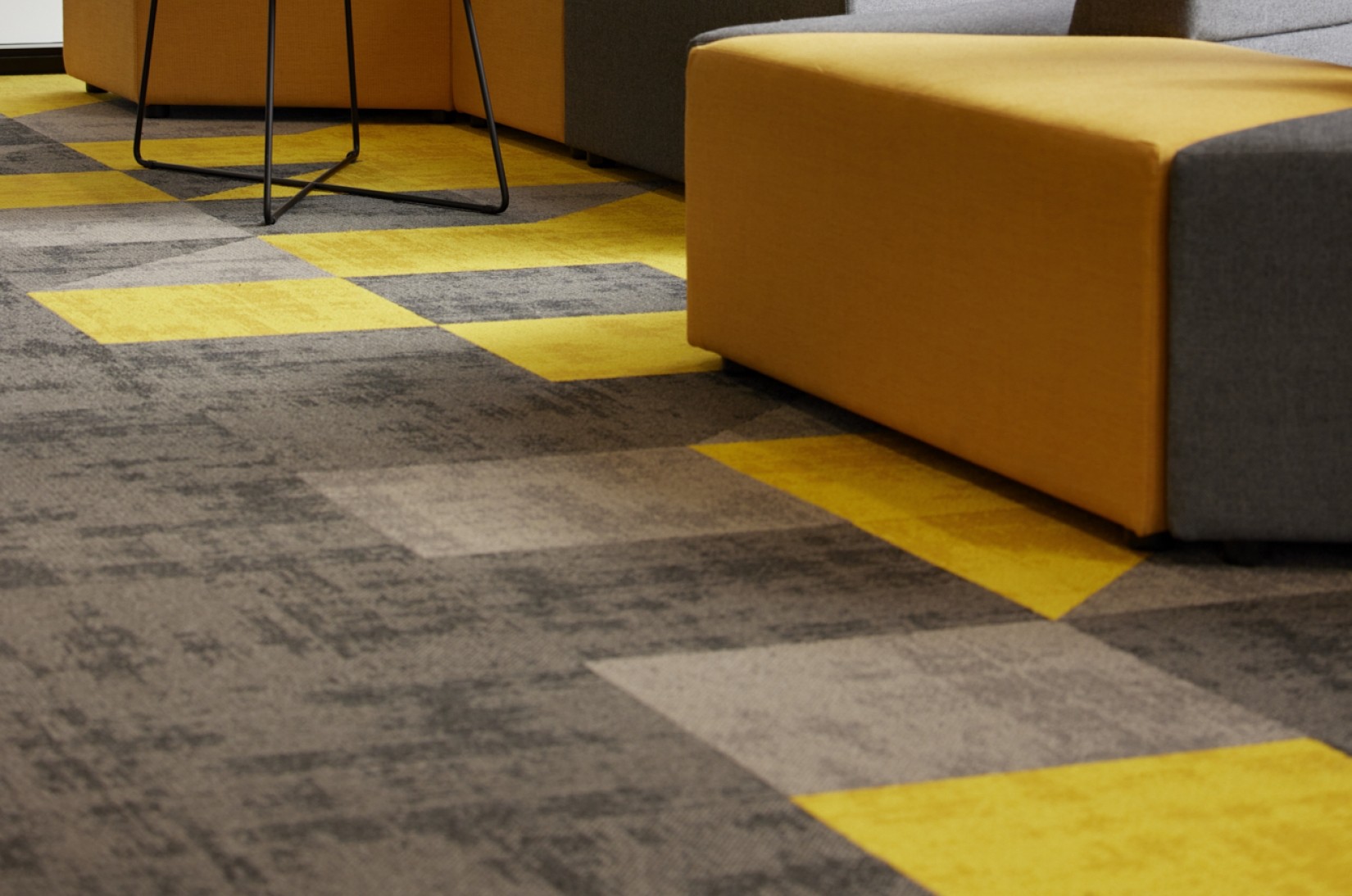
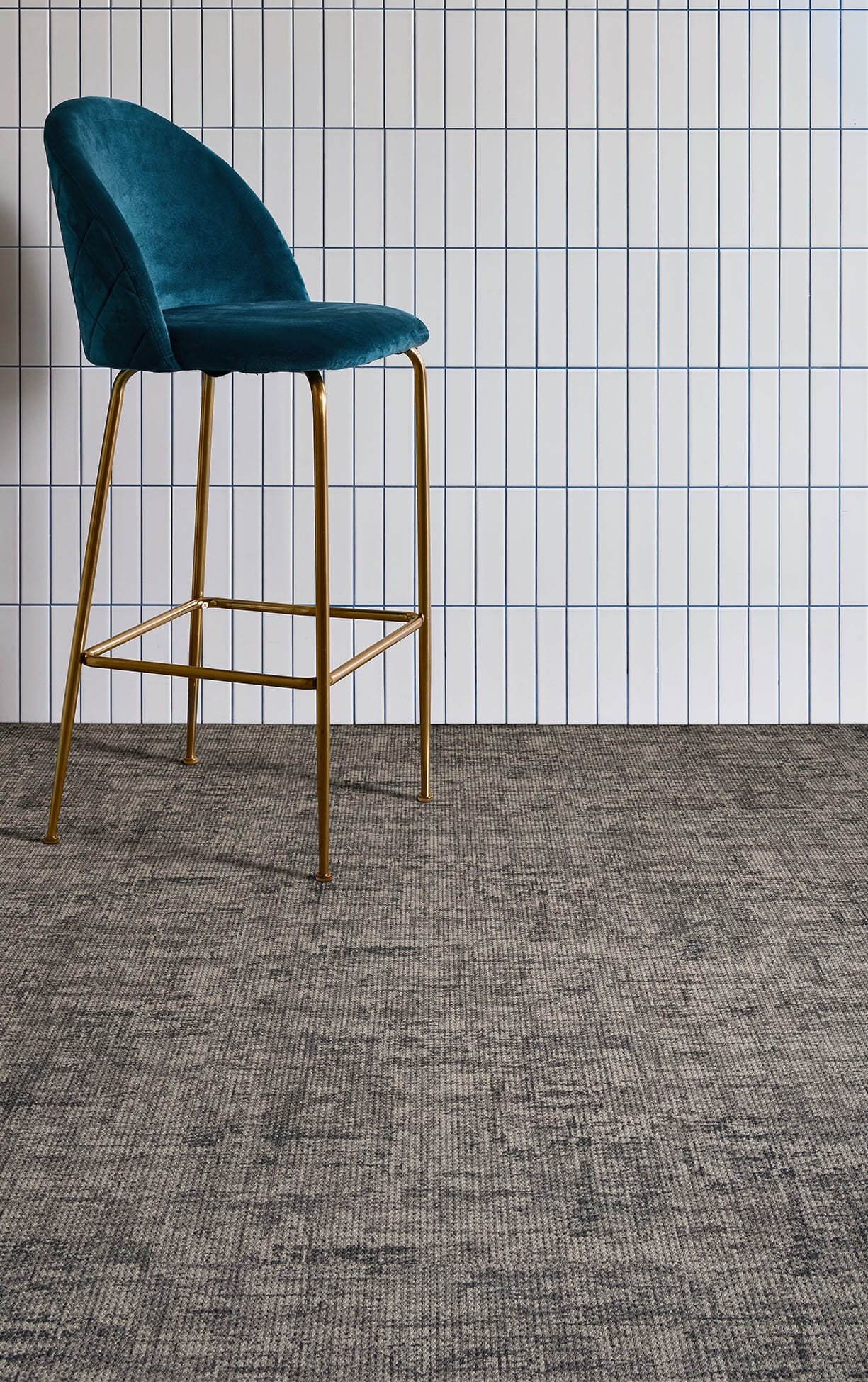
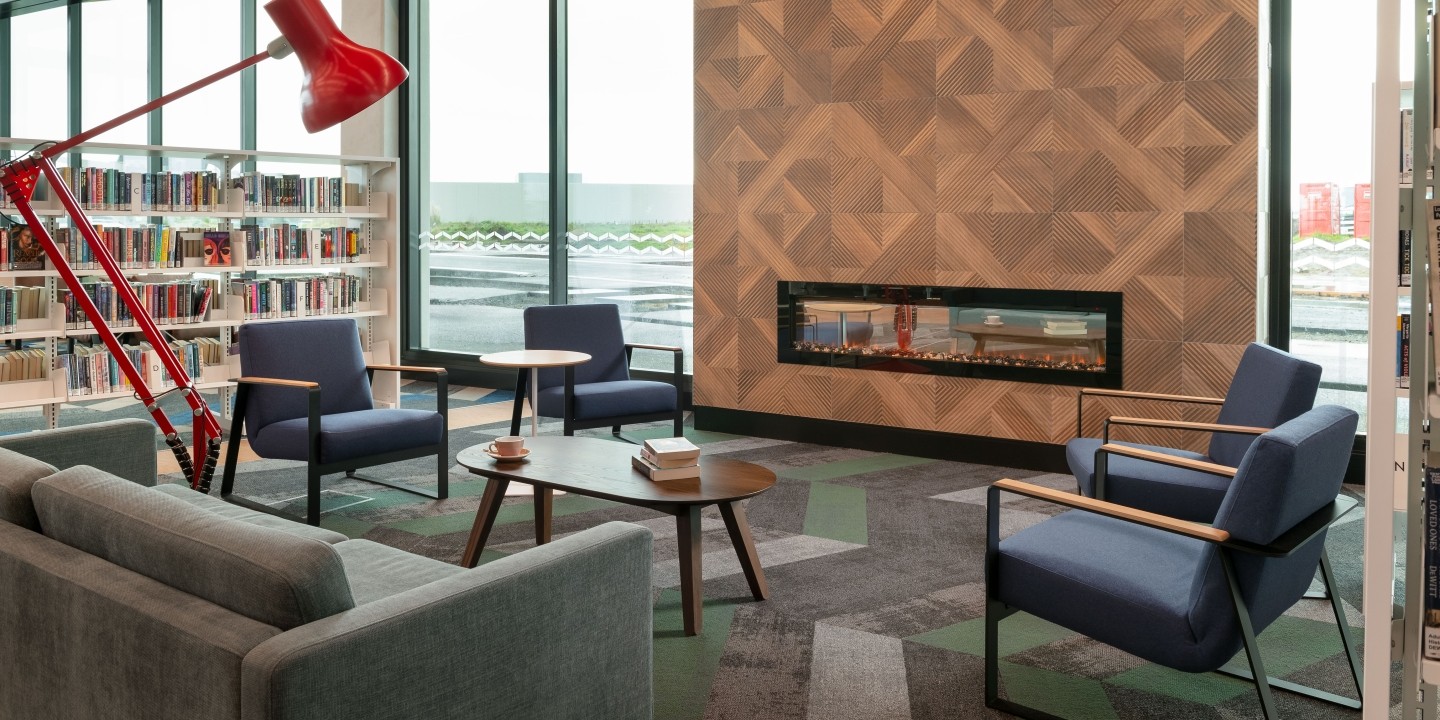
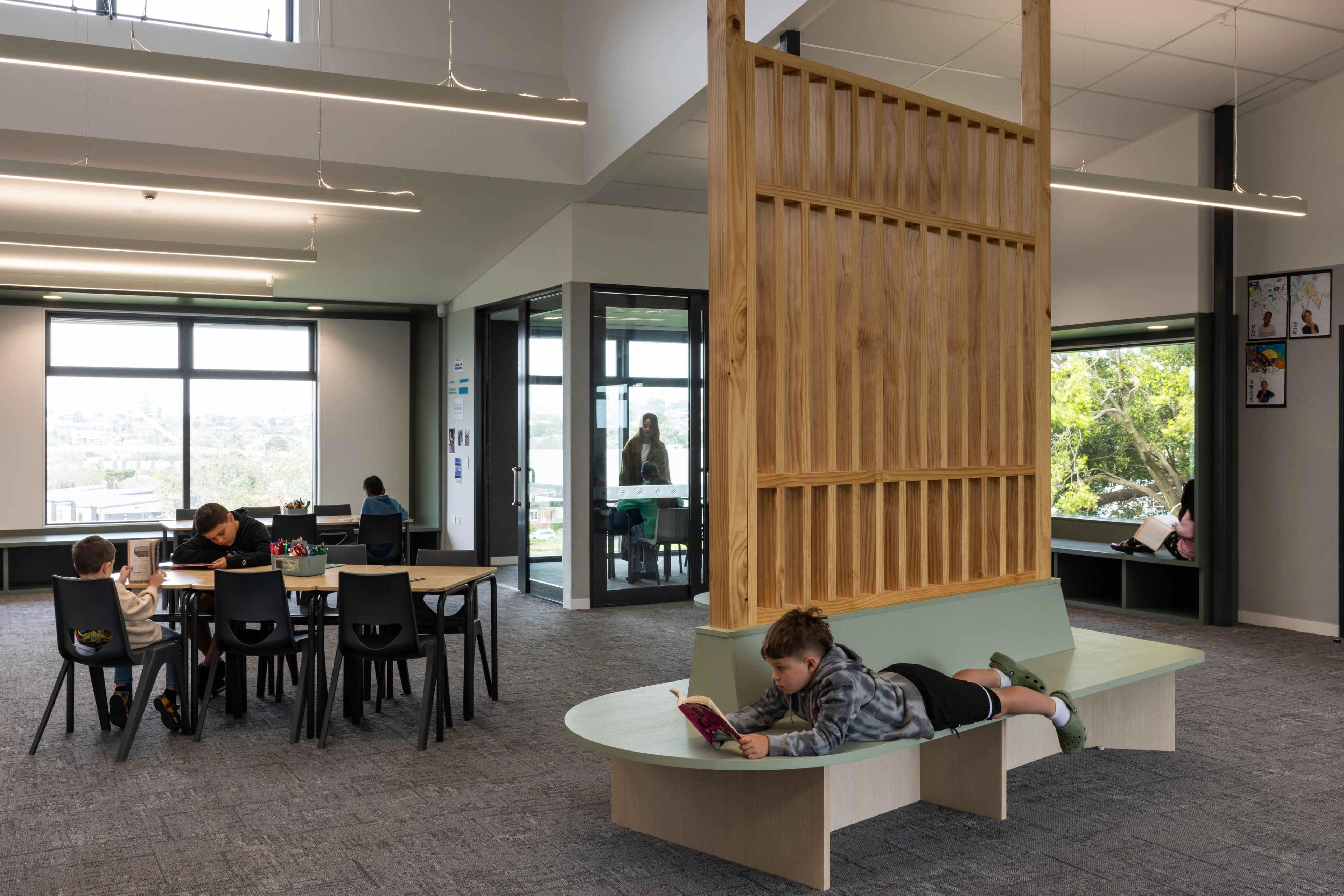
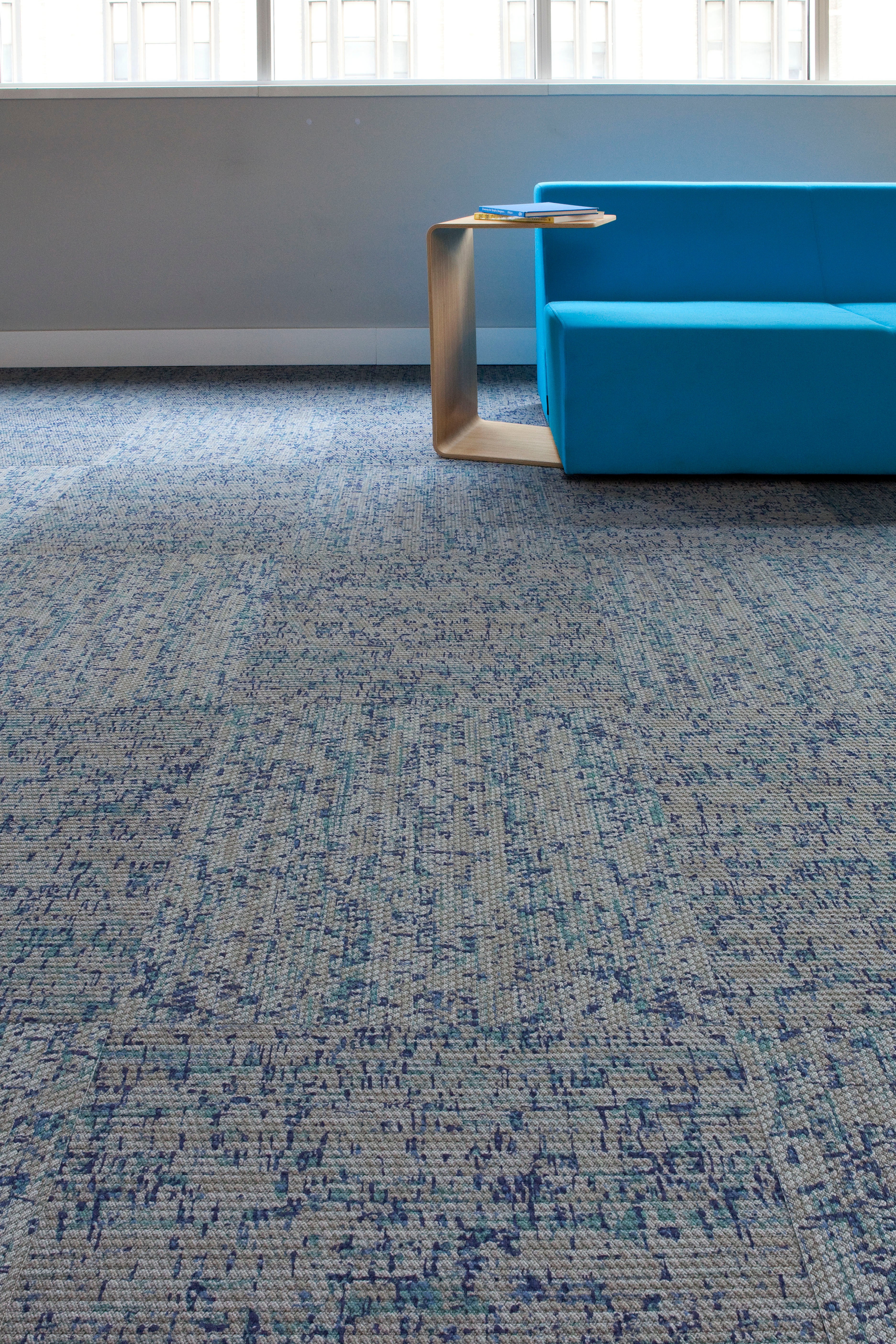
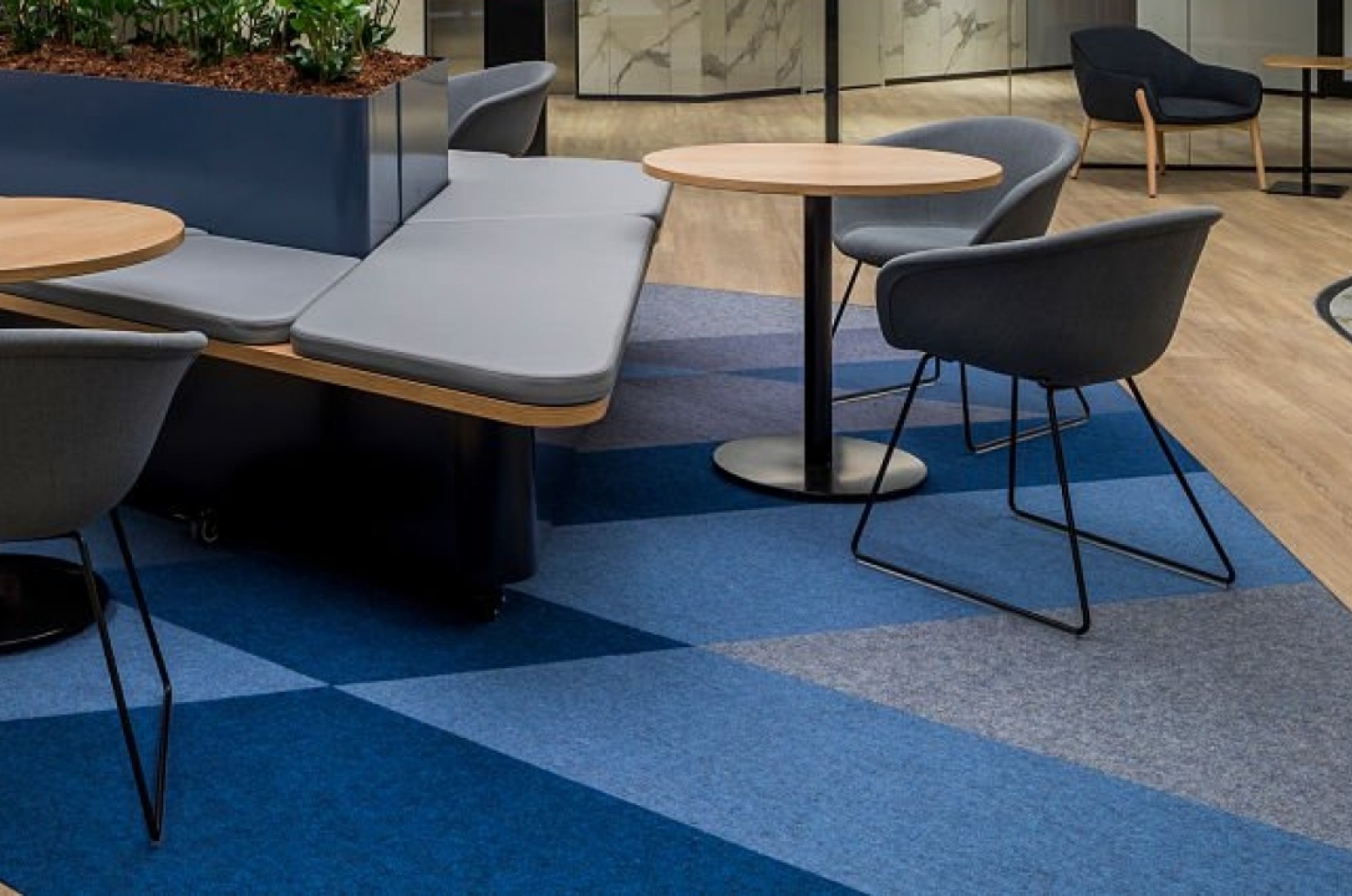
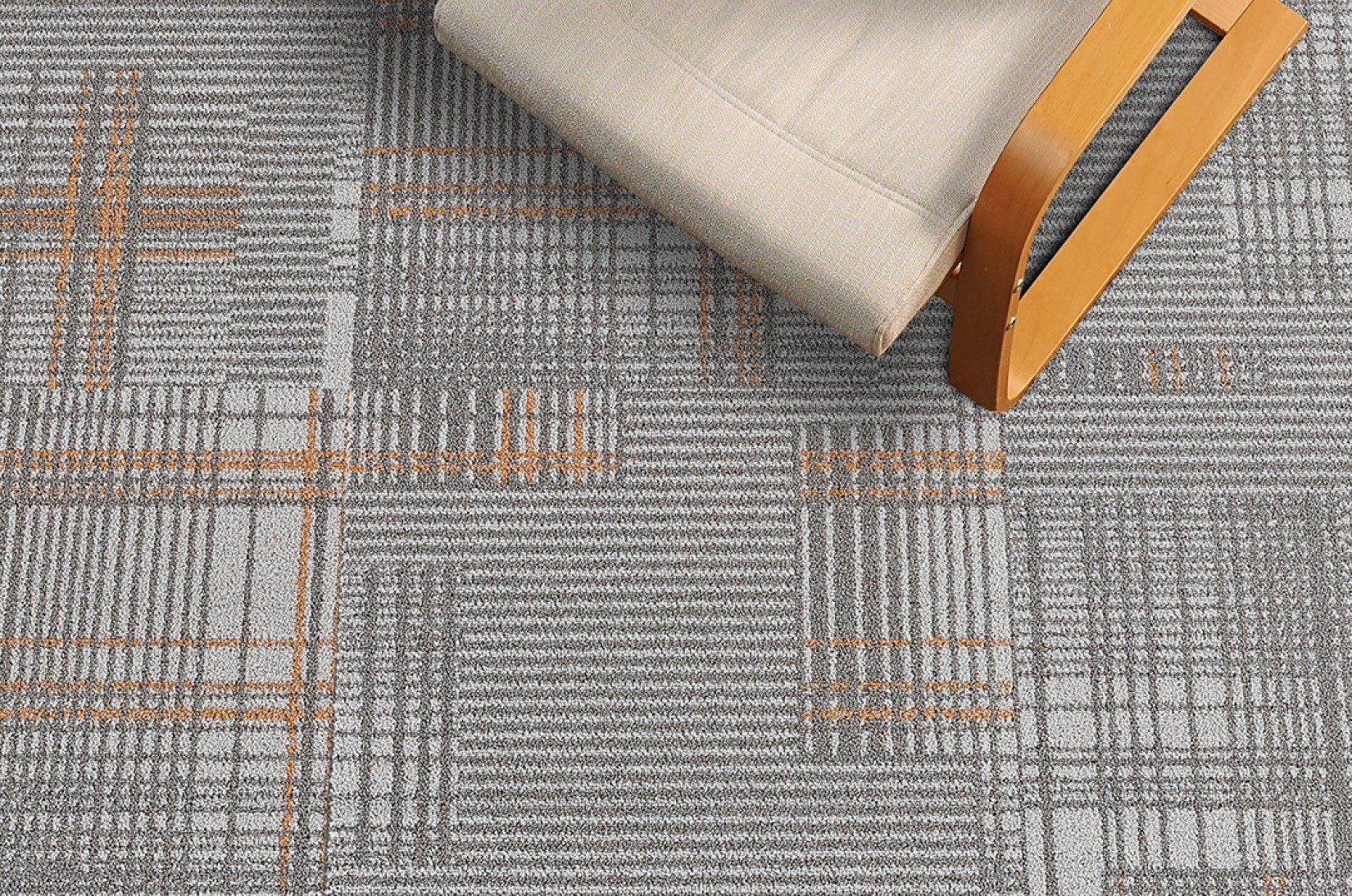
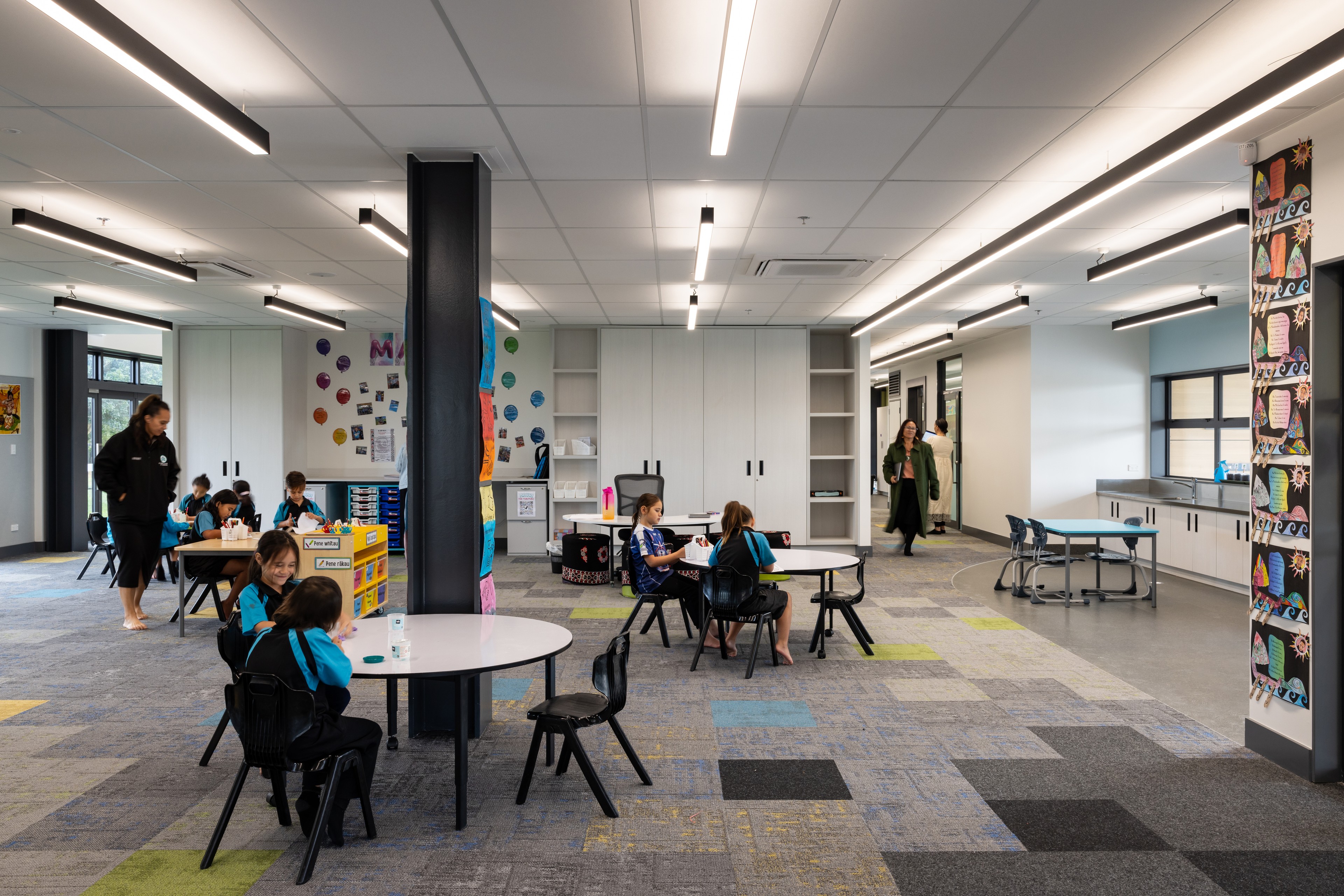
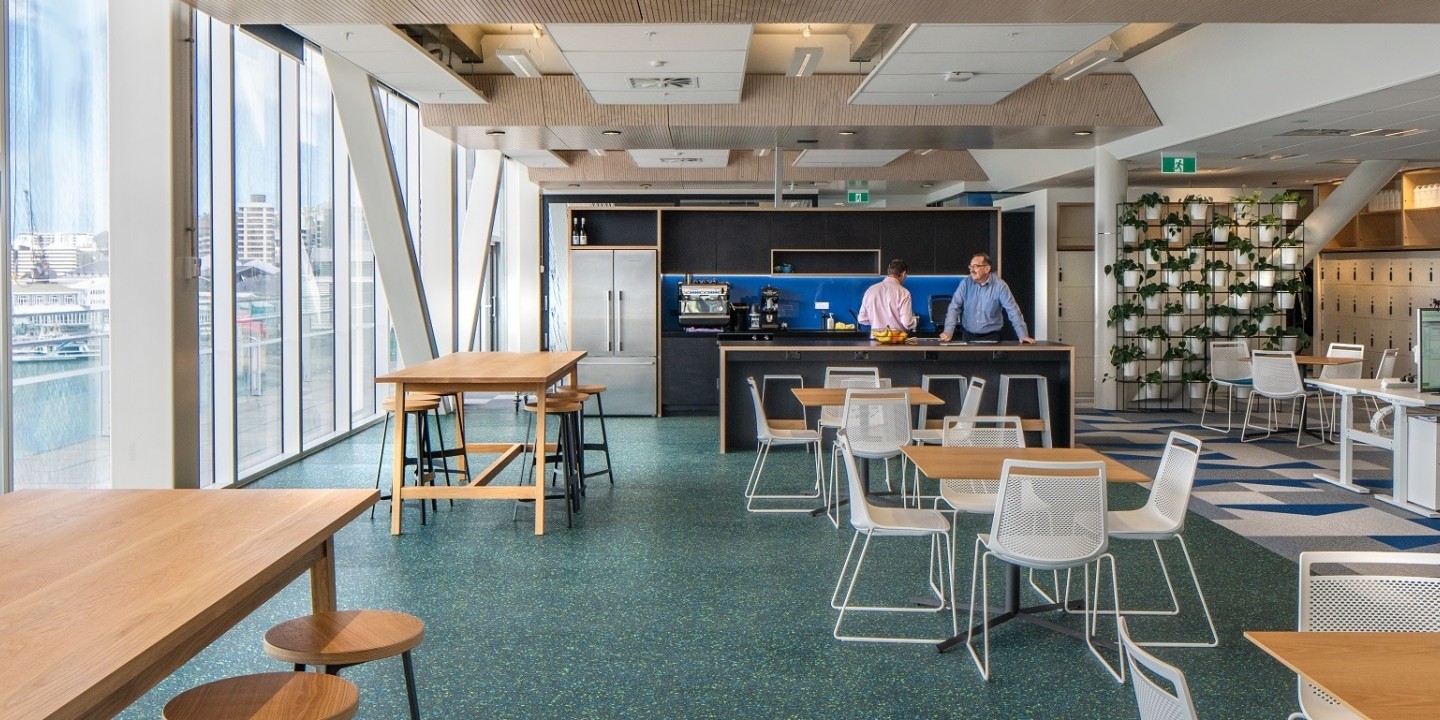
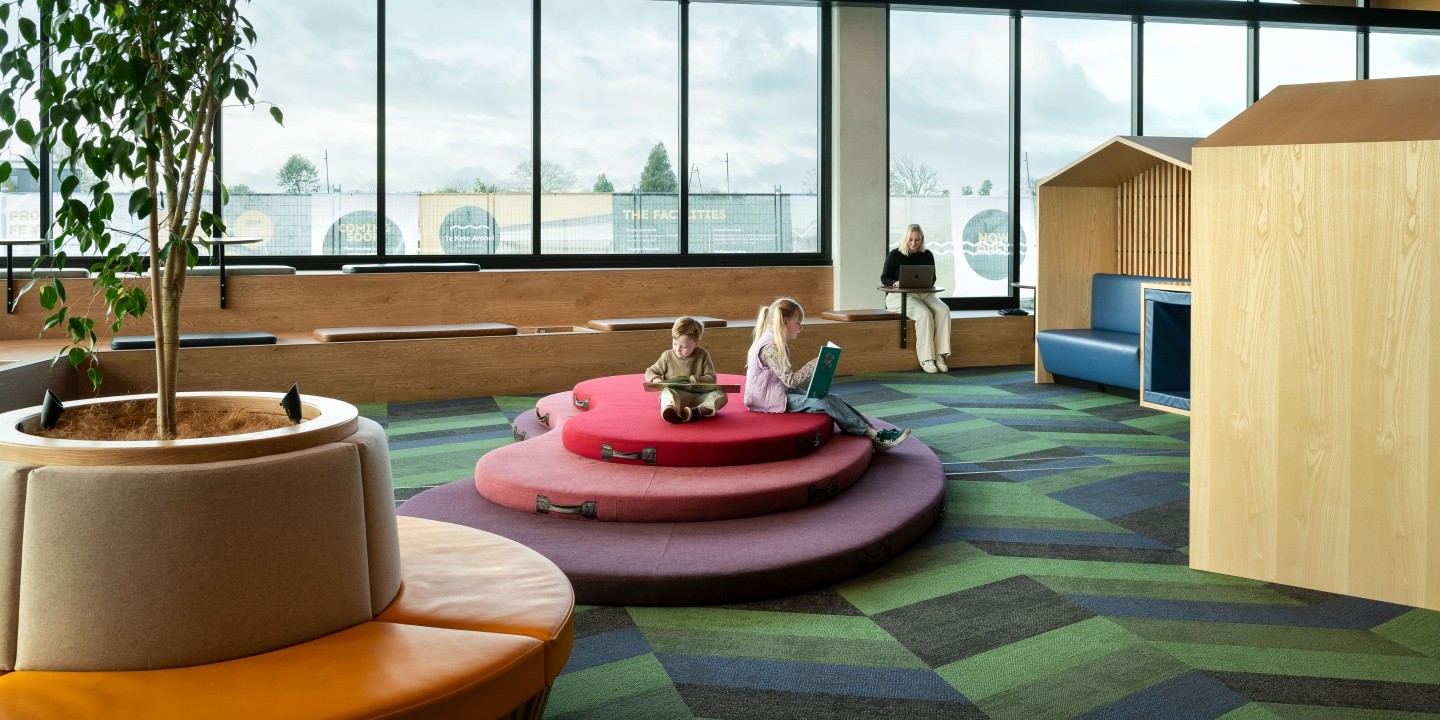
Carpet tiles (learning spaces)
- Acoustic control and comfort
- Modular replacement for maintenance
- Designed for long-term colour and supply continuity
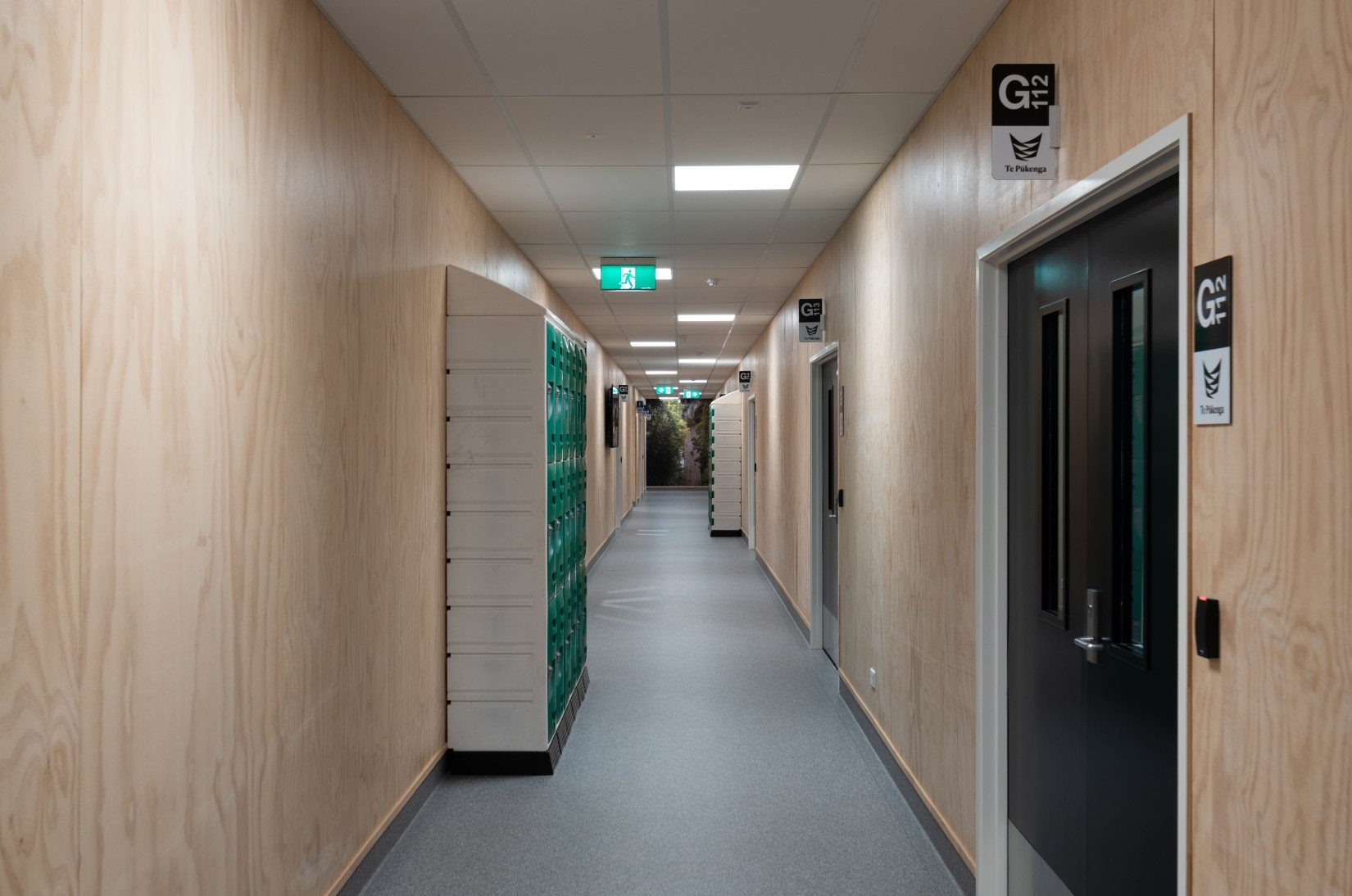
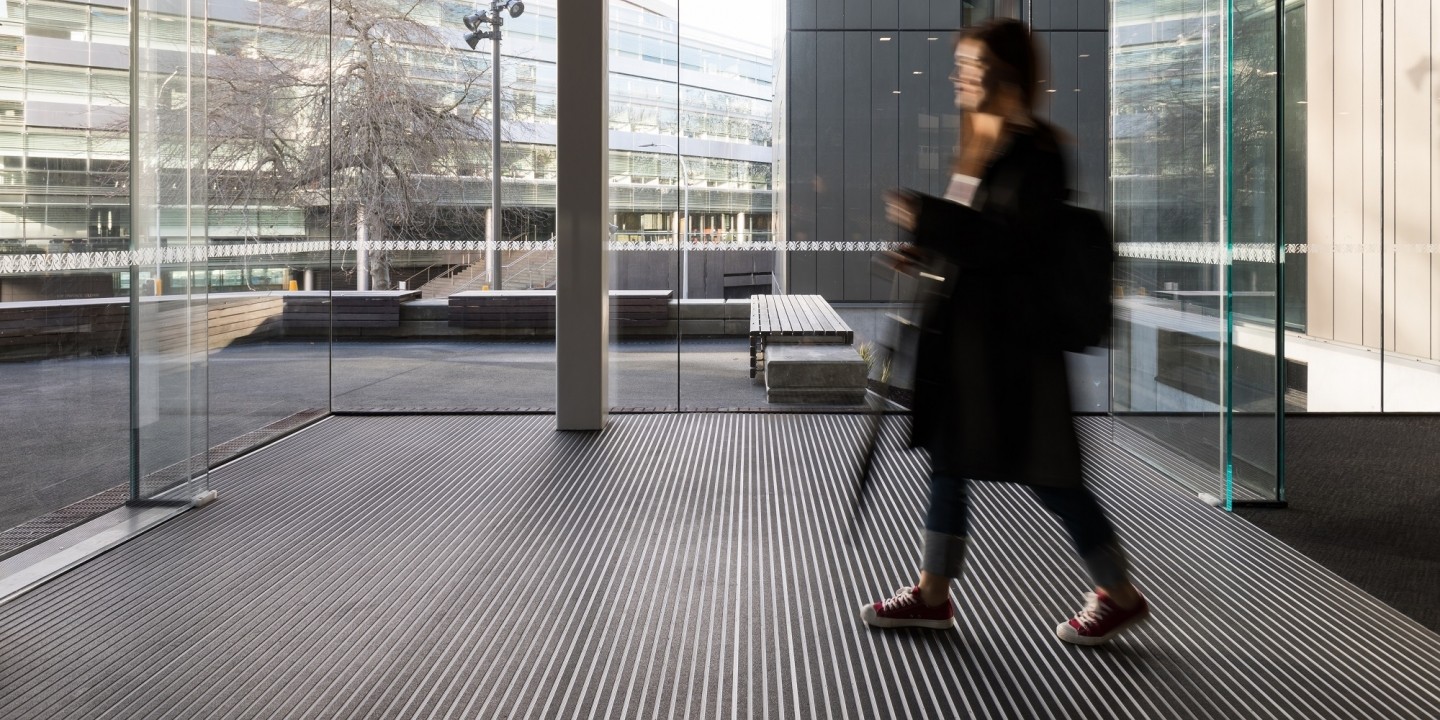
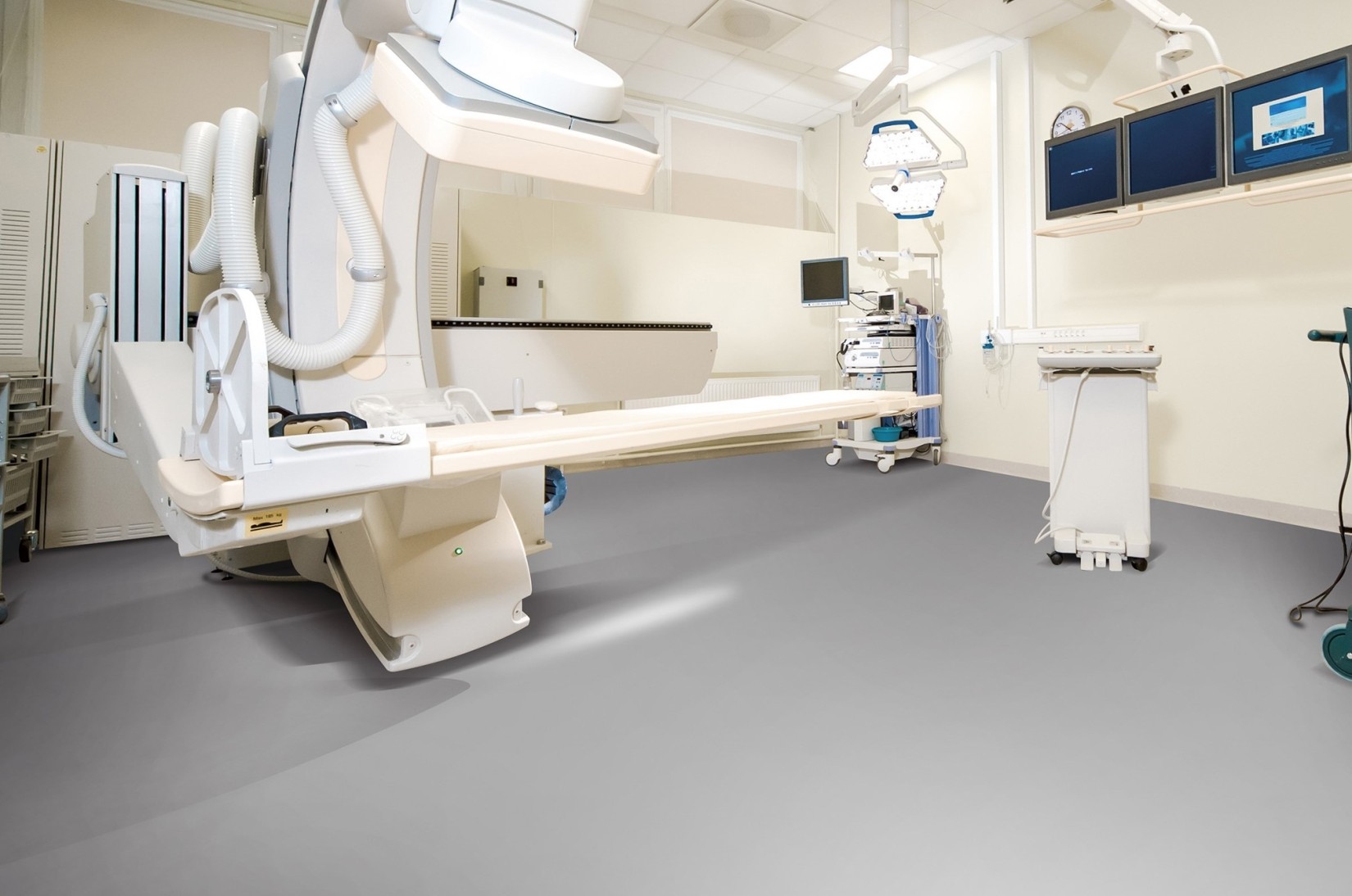
Vinyl flooring (circulation & wet areas)
- Highly durable and hygienic
- Welded seams for water resistance
- Easy cleaning and maintenance
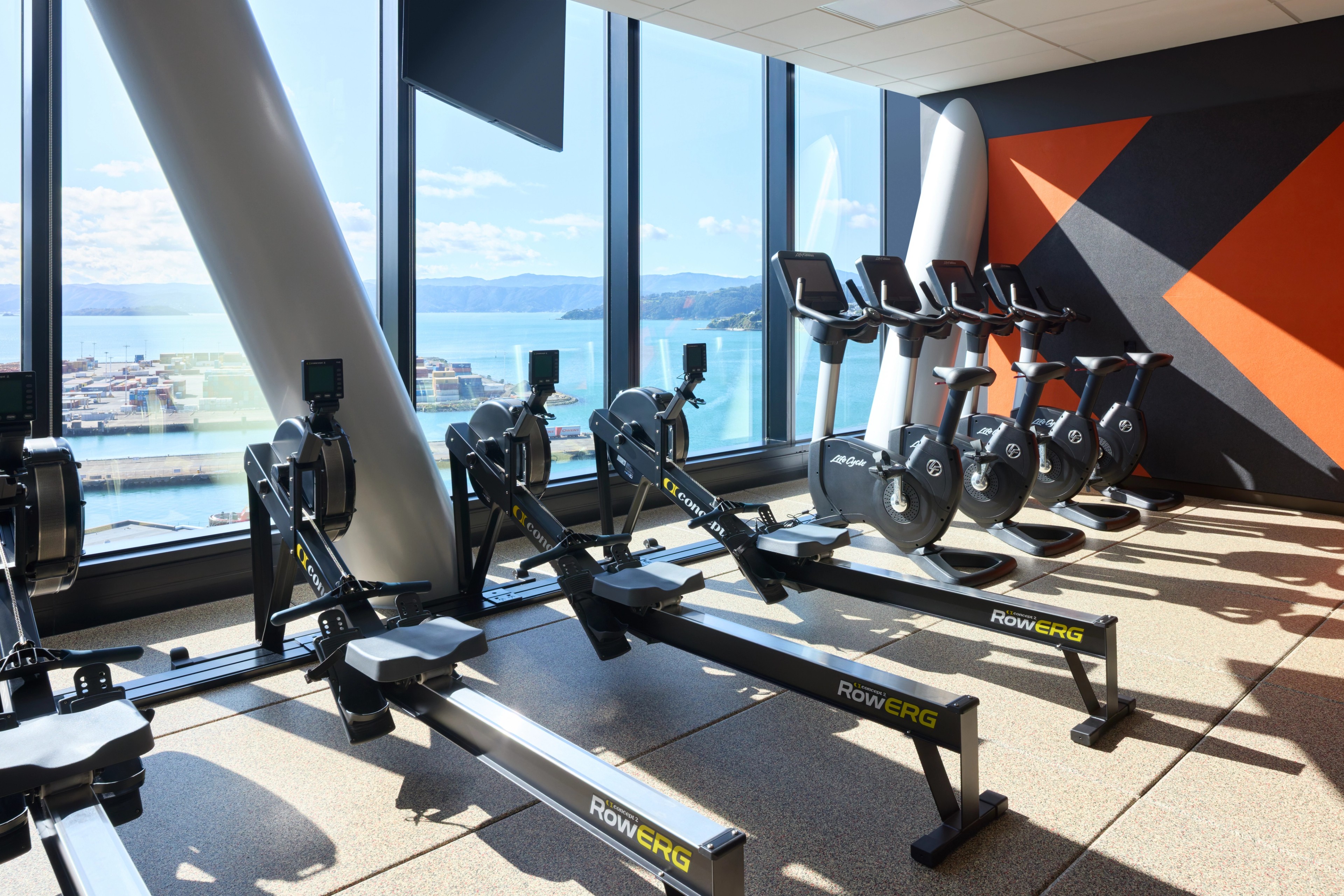
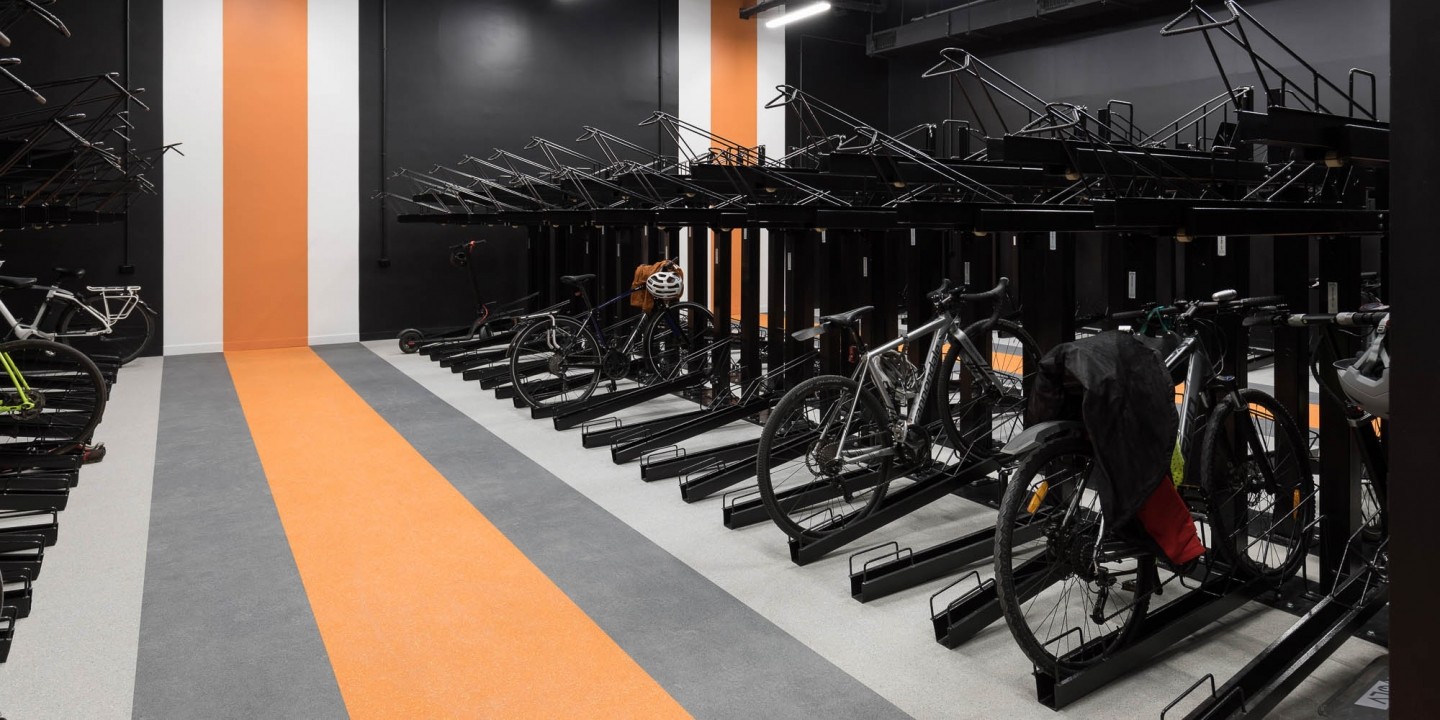
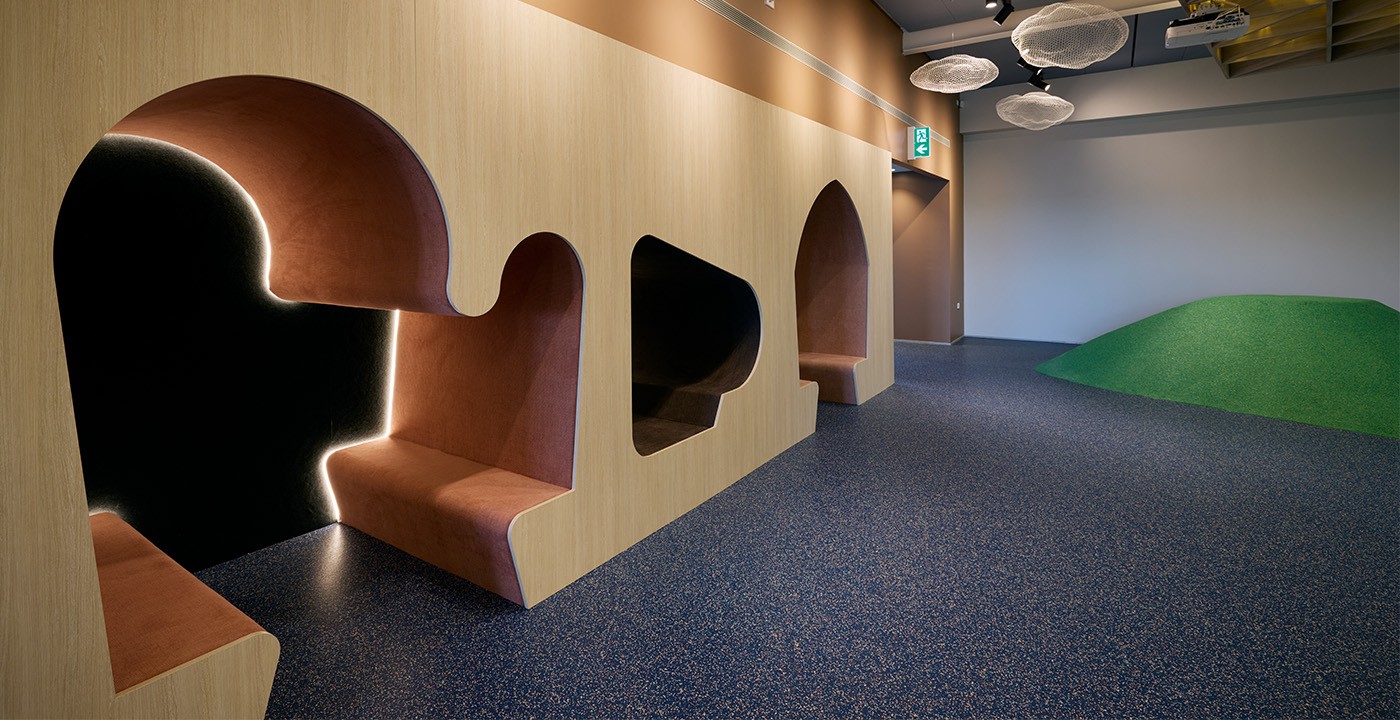
Rubber flooring (specialist areas)
- Impact-resistant and durable
- Ideal for high-load or equipment spaces
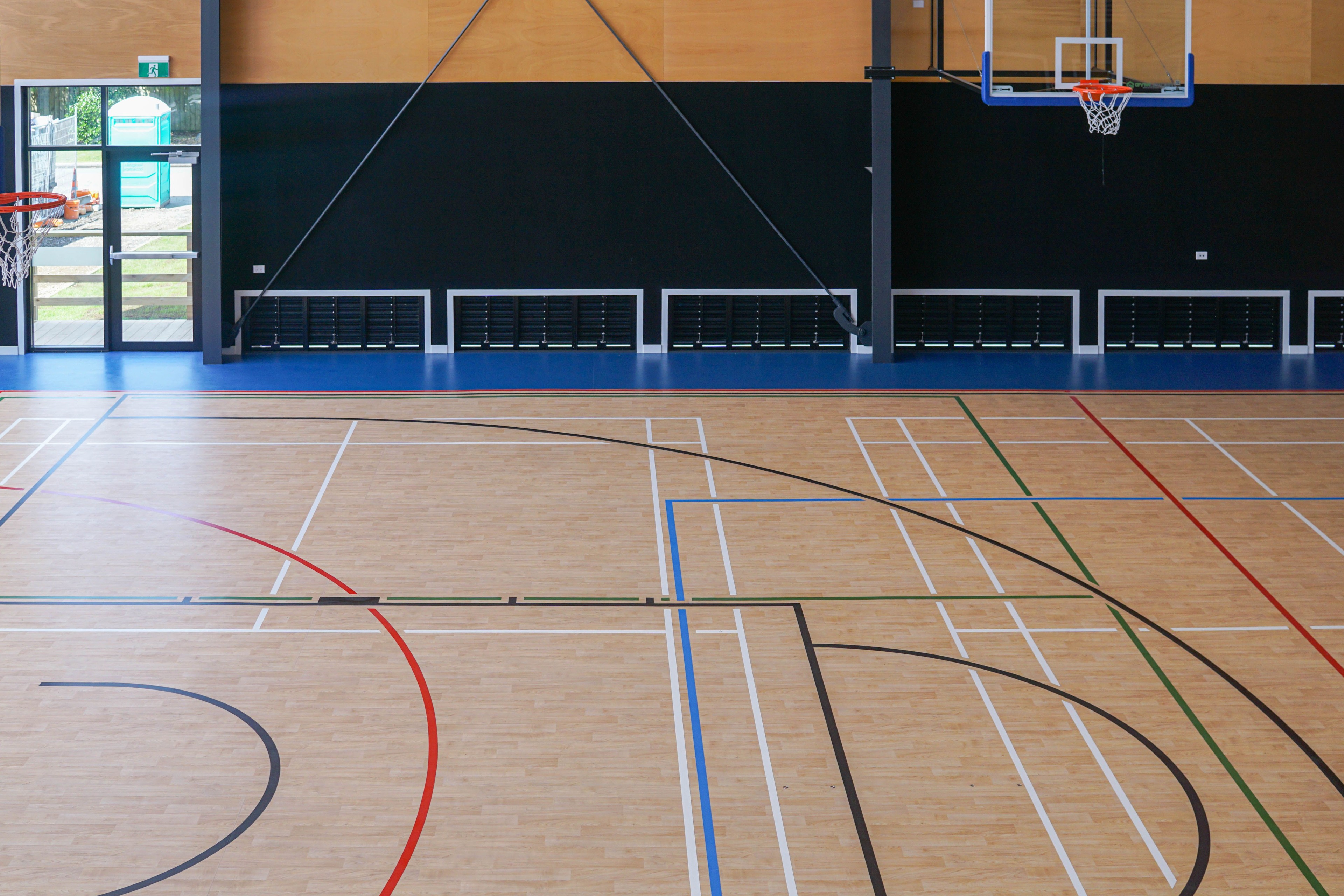
Multipurpose/sports flooring (halls & gyms)
- Must balance sports performance and commercial durability
- Withstand both athletic activity and furniture use
- Support safe movement and impact absorption
Availability is part of the specification
DSNZ highlights product availability—but this extends beyond lifecycle.
School projects often rely on tight installation windows, particularly during holidays. Flooring selection must therefore consider:
- Supply chain reliability
- Lead times
- Programme risk
Specifying products with locally held stock in New Zealand provides:
- Faster mobilisation
- Reduced delays
- Greater certainty for school holiday installation programmes
Designing for maintenance and repair
Operational realities matter.
Flooring should:
- Avoid ongoing coatings or specialist treatments
- Be easy to clean using standard methods
- Allow localised repairs without full replacement
These factors directly impact long-term cost and usability.
The role of flooring in wellbeing
Well-specified flooring contributes to:
- Safer movement (slip resistance, shock absorption)
- Better acoustics and reduced noise
- Improved hygiene through easy-to-clean surfaces
These outcomes support both student learning and staff wellbeing.
A partner in delivery
Advance Flooring supports architects and schools by:
- Translating MoE requirements into practical solutions
- Providing fit-for-purpose product selection across all spaces
- Offering proven systems with long-term availability
- Supporting projects with local stockholding and reliable supply
Final thought
The updated DSNZ guidelines reinforce a clear message:
Schools must be designed for real use, long life, and flexibility.
Flooring plays a central role in achieving this—requiring a considered, performance-led approach across the entire facility.